Crescent Head surf guide: 5 spots & the surf report
Surfing Crescent Head: the point break, the back beaches, how to read the Crescent Head surf report, and where to paddle out for the swell and wind.

By Trent and Liss
In this guide
Crescent Head has been a destination for surfers since the 1950s. It was declared a National Surfing Reserve in 2008, and the point is widely regarded as one of the longest, mellowest right-hand waves in Australia. But it isn’t the only break worth driving for. Here are five spots within an hour of The Deck — what they’re best at, when to go, and what to expect.
1. The Point at Crescent Head
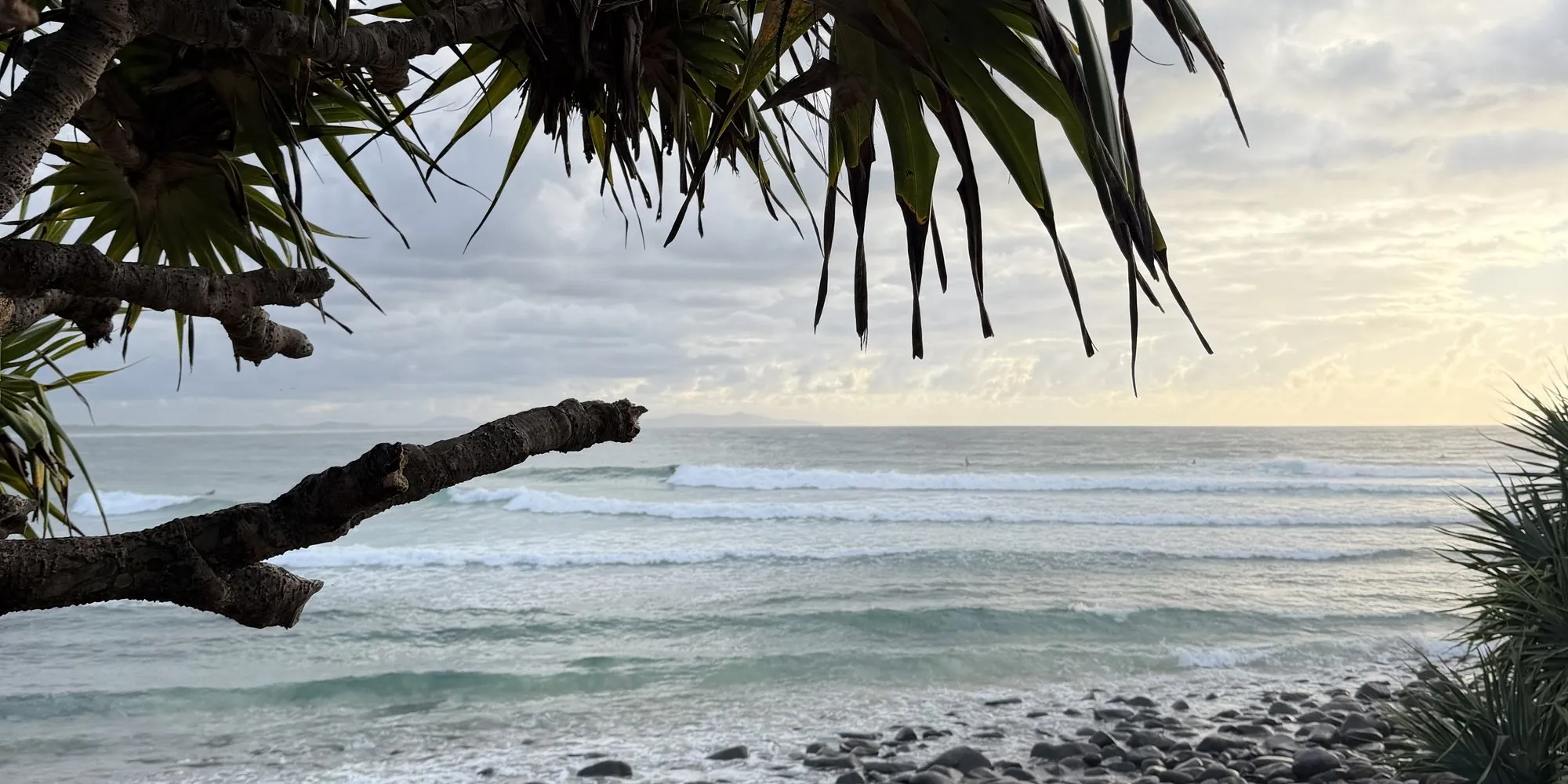
The headline wave. A long, soft, right-hand point break that peels from the rocks at the headland and runs through to the mouth of Killick Creek. On a clean day with a south-easterly swell and a south-westerly breeze, you can ride a single wave for more than two hundred metres.
Best for: longboarders, mid-length surfers, beginners on the inside. Best conditions: south-easterly swell, south-west wind, mid to low tide. Crowd: busy on weekends and during winter swells. Civil and respectful — drop-ins are noticed. Walk from The Deck: about seven minutes downhill.
2. Back Beach (south of the point)
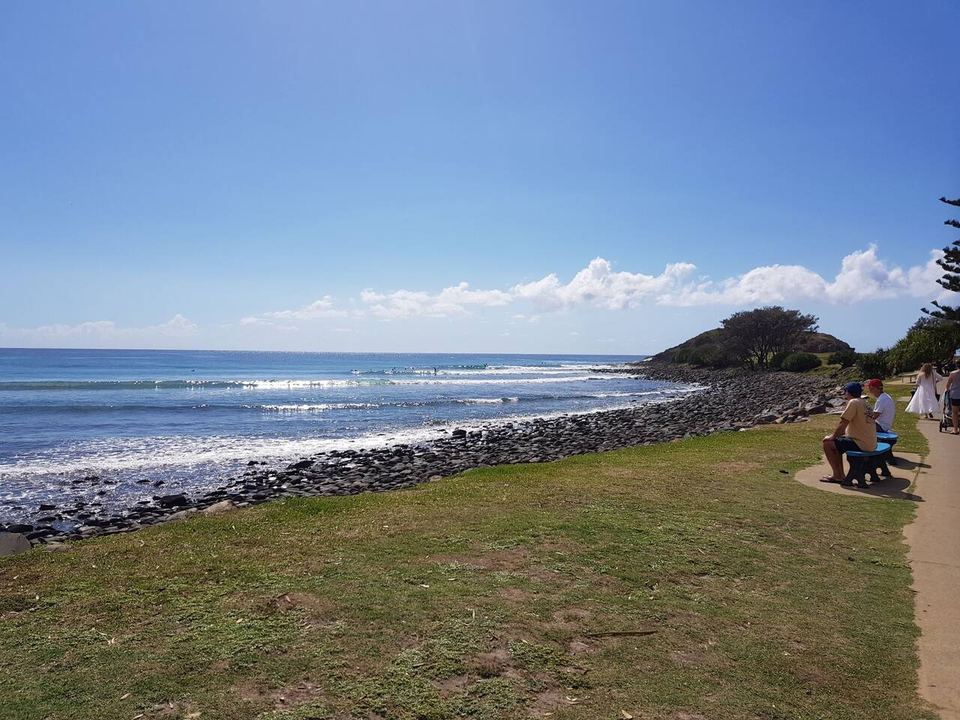
Walk a few hundred metres south from the point and you’ll find an uncrowded stretch of beach break. Less consistent than the point but often empty, and a great place to escape the crowd on a busy summer weekend.
Best for: short-boarders, families with bigger kids, anyone who wants the line-up to themselves. Best conditions: small to medium east swell, light offshore wind. Crowd: thin even in peak season. Walk from The Deck: ten minutes.
3. Killick Beach (north of the creek)
A five-kilometre stretch of beach starting on the other side of Killick Creek. Drive on with a 4WD permit (available from NPWS) or walk across the bridge. The waves here are more punchy than the point and the beach itself is largely empty even on long weekends.
Best for: mid-tide beach break, dawn missions, long dog walks. Best conditions: any easterly swell, light to moderate west wind. Crowd: occasional. Bring a friend. Drive from The Deck: five minutes plus a walk.
4. Hat Head
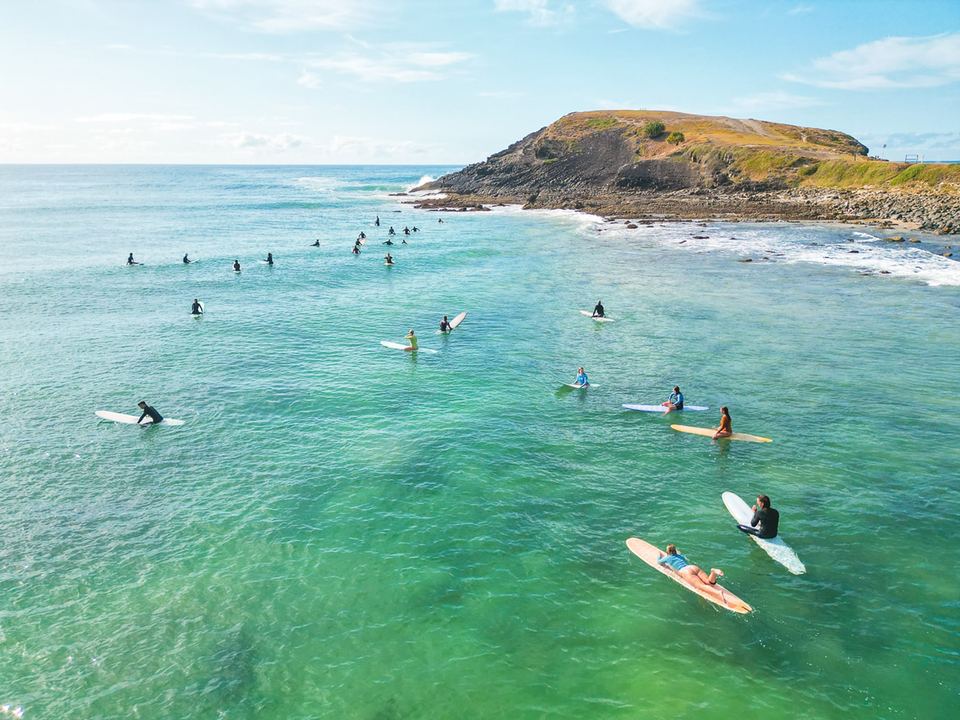
About half an hour north, Hat Head is a small village that sits behind a sheltered headland. The point there can hold a bigger swell when Crescent gets too big to manage, and the beach in front of town is patrolled and family-friendly in summer.
Best for: bigger swell days, families with younger kids who want a safe paddle. Best conditions: large south-east swell, west wind. Crowd: lower than Crescent on the same day. Drive from The Deck: about 30 minutes north.
5. Smoky Cape
Forty-five minutes north of Crescent Head, Smoky Cape sits inside Hat Head National Park and is one of the more dramatic surfing locations on the Mid North Coast. The point break under the lighthouse is the highlight, but the lookout spots and the whales (in season) make it worth the drive even on a flat day.
Best for: a day trip + surf, sightseeing, whale watching. Best conditions: medium to large south swell, light westerly. Crowd: locals know it. Be polite. Drive from The Deck: 45 minutes north.
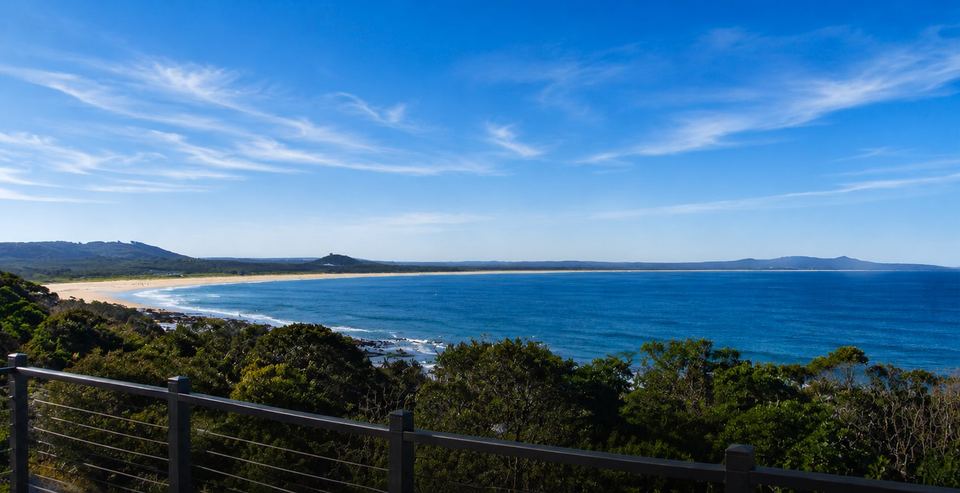
When to come for surf
The most consistent surf at Crescent Head happens during the winter months — roughly May through August. South-east swells generate the cleanest, longest rides at the point, and the prevailing south-westerly winds groom the wave. The annual Malibu Classic happens every May and is a great way to see the wave at its peak. Summer is still surfable but the swell windows are shorter and the crowd is bigger.
Reading the Crescent Head surf report
Any forecast site (Swellnet, Surfline, Willy Weather) will give you swell, wind and tide for Crescent Head. Here’s what to look for in it:
- Swell direction:south-east is what makes the point. An east swell is better for the beaches either side of it.
- Wind:south-west to west is offshore at the point. A north-easter blows it out, so on those days, surf early before the wind comes up.
- Tide:the point is best from mid to low tide.
- Size:the point is at its best in small to medium swell. When it’s too big to handle, drive up to Hat Head, which can hold a bigger swell.
Then walk down and look. The point is seven minutes from The Deck, which is the most reliable surf report there is.
Where to stay
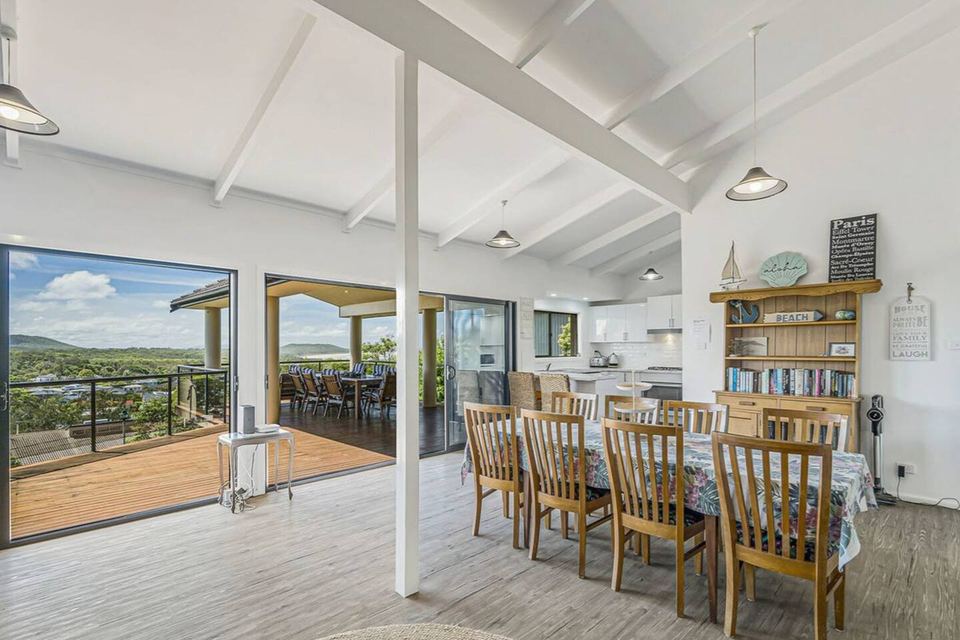
The Deck is surf accommodation seven minutes’ walk from the point. There’s a hose for boards downstairs, an outdoor shower with hot and cold water, and Starlink Wi-Fi so you can check the swell charts from the deck before you paddle out. We sleep six, dogs are warmly welcome on the deck, and there’s a wood fireplace for the colder months.
Keep reading
All Surf guides-
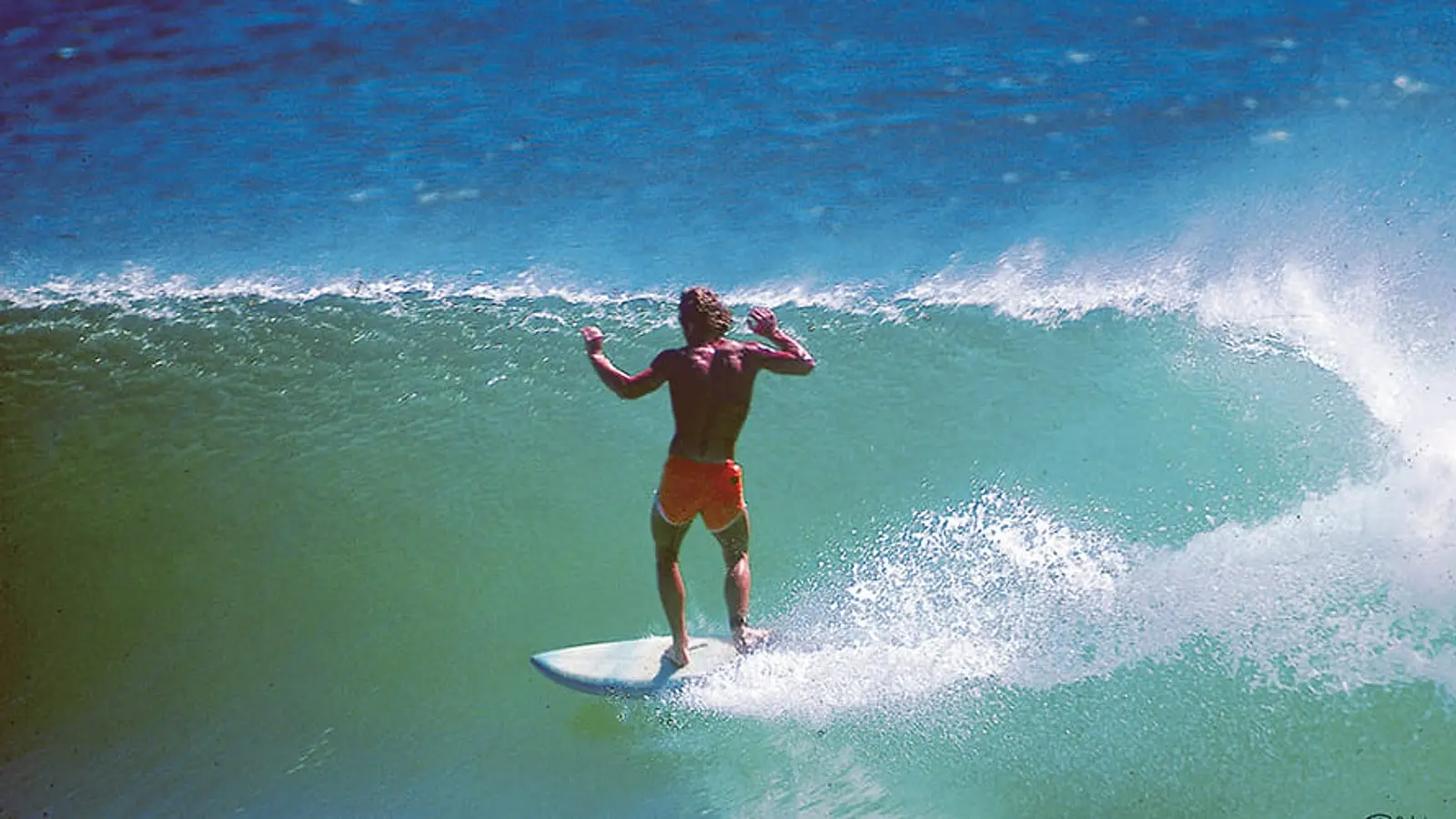 Surf · 8 min The surfing history of Crescent Head How a small NSW village became one of Australia's great longboard towns: the point, the National Surfing Reserve, the Malibu Classic.
 -
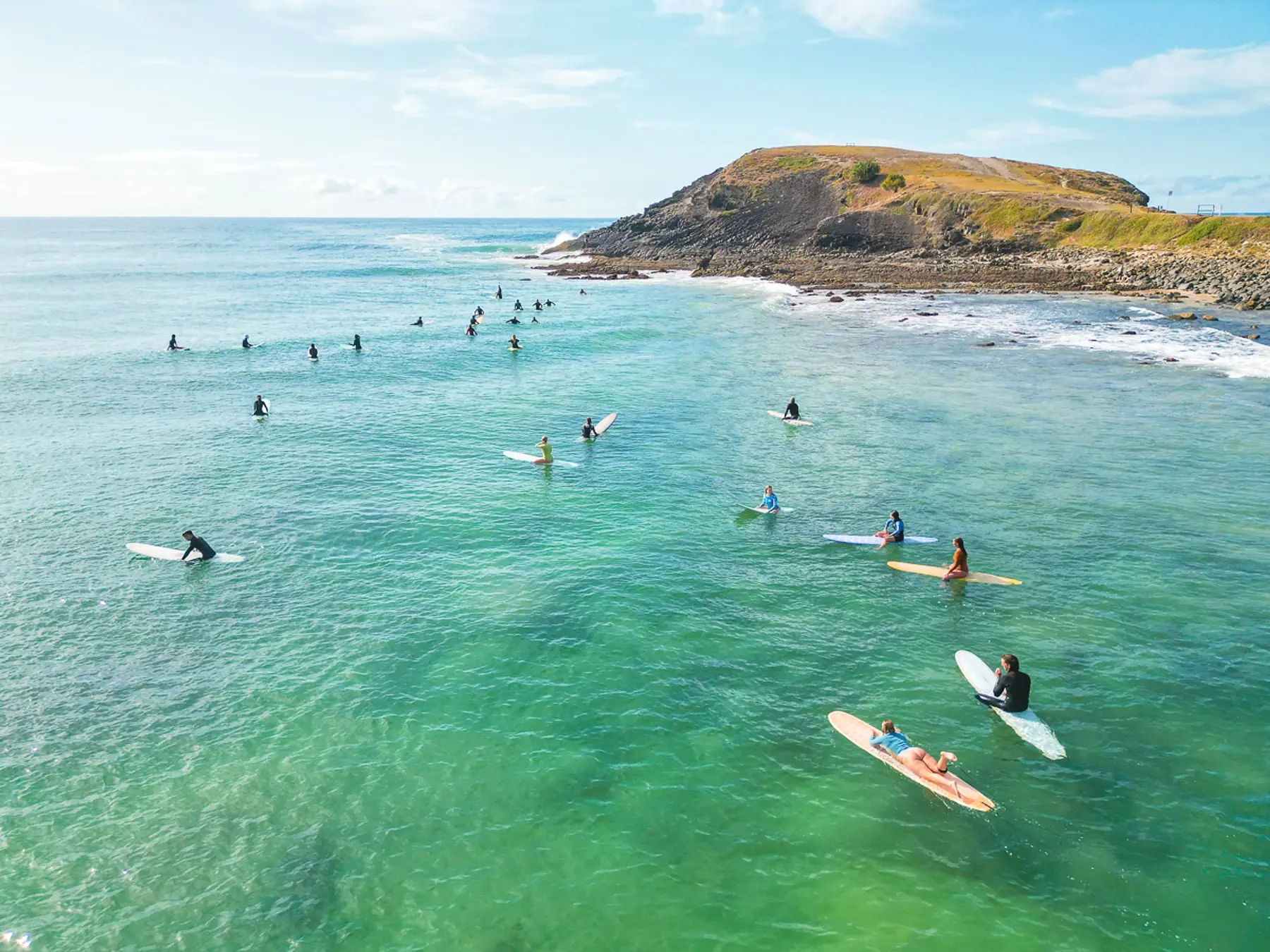 Surf · 5 min Learning to surf at Crescent Head Why Crescent Head is one of the best places in NSW to learn to surf — a long, gentle longboard wave, where to start, and how to make a weekend of it.
 - Plan & Stay · 7 min Crescent Head in the school holidays Planning a school-holiday trip to Crescent Head, NSW? What changes in peak season — beach patrols, dog rules, crowds — and how far ahead you need to book.