Whale watching at Crescent Head, NSW
When and where to see whales at Crescent Head, NSW. The migration seasons, the best vantage points on the headland, and what you can spot from the coast.

By Trent and Liss
In this guide
Every year, tens of thousands of humpback whales travel up and down the east coast of Australia — and Crescent Head’s headland is a quiet, uncrowded place to watch them pass. No boat, no crowds, no ticket. Just a walk up the hill and a bit of patience.
When to see them
There are two windows:
- Late autumn to winter (roughly May to August): humpbacks heading north to the warm breeding waters off Queensland. They tend to be moving with purpose, often a little further out.
- Spring (roughly September to November): the southern return journey back to Antarctica. This is often the better show — pods travel slower, mothers bring new calves, and they hug the coast more closely.
You’ll also occasionally spot dolphins year-round, and the odd turtle in the warmer months.
Where to watch from
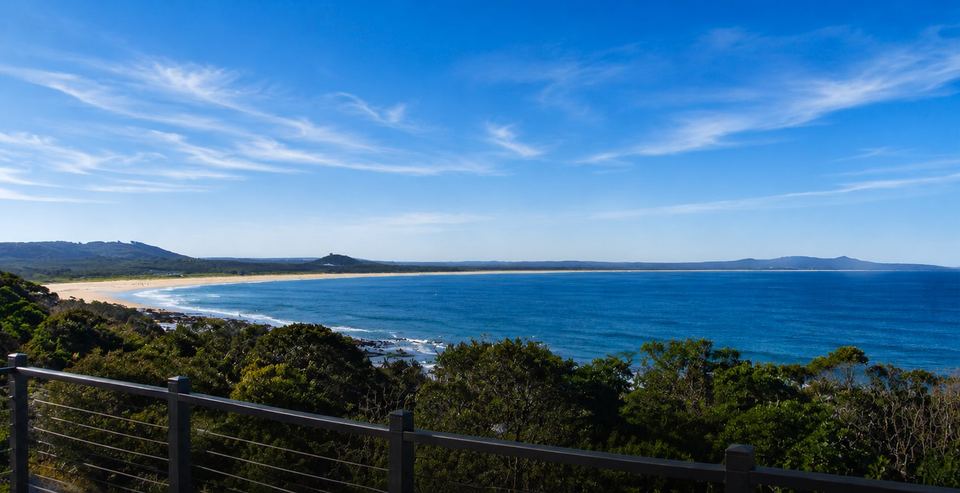
The headland above the point is the best vantage in town — elevated, with a clear line out to sea in both directions. Walk down to the point and up onto the headland track; find a spot and scan the horizon for the tell-tale spout, or the splash of a breach.
The clifftops south of town toward Goolawah give you even more height and emptier views if you’re up for a longer walk.
How to spot one
- Look for the blow first — a puff of mist on the horizon is usually the giveaway before you see the whale itself.
- Scan slowly. Pick a patch of horizon and watch it for a while rather than sweeping constantly.
- Morning light (sun behind you) makes them much easier to see than squinting into afternoon glare.
- Bring binoculars if you have them. They make all the difference.
What you’re actually looking at
Once you’ve found one, the fun is working out what it’s doing. The common behaviours, roughly in order of how often you’ll see them:
- The blow — the misty spout as they surface to breathe. Almost always the first thing you’ll spot, and often the only thing on a quiet day.
- The back roll — a long, dark arc of back breaking the surface. Undramatic, but it tells you where to keep watching.
- Tail slap — the tail lifted clear and brought down hard on the surface, sometimes over and over. Carries a long way on a still morning.
- Pec slap — same idea with a long pectoral fin, often while lying on their side.
- Breach — the whole animal clear of the water. The one everybody wants. Uncommon enough that seeing one properly makes the morning.
- Spy hop — head raised vertically out of the water, apparently having a look around.
Mothers with calves on the southern run are the most active, which is part of why spring is the better watching season even though winter gets more traffic.
Best time of day
Early morning, for two reasons. The sun is behind you looking east, so you’re not squinting into glare, and the wind is usually lightest — a flat sea makes a blow visible from a long way off, while a choppy one hides everything.
A windy afternoon with whitecaps is close to hopeless. If that’s the forecast, go for the walk anyway and treat any whale as a bonus.
How long to give it
Longer than you think. Fifteen minutes of scanning is not a whale-watching session — it’s a glance.
Take a coffee, find somewhere to sit out of the wind, and give it forty minutes. Pick a section of horizon and watch that rather than sweeping constantly, and let your eyes relax. Most people who “didn’t see any whales” spent ten minutes looking at the wrong distance.
What else you’ll see
The headland is a good wildlife spot generally. Dolphins pass year-round and often come much closer in than the whales. Sea eagles work the cliffs. Turtles turn up in the warmer months.
And there are usually kangaroos grazing on the headland in the late afternoon, which catches first-timers by surprise. Keep your distance, and if you’ve brought the dog, keep them on a short lead — the headland track is dog-friendly, but a startled kangaroo will stand its ground.
Watching from the house
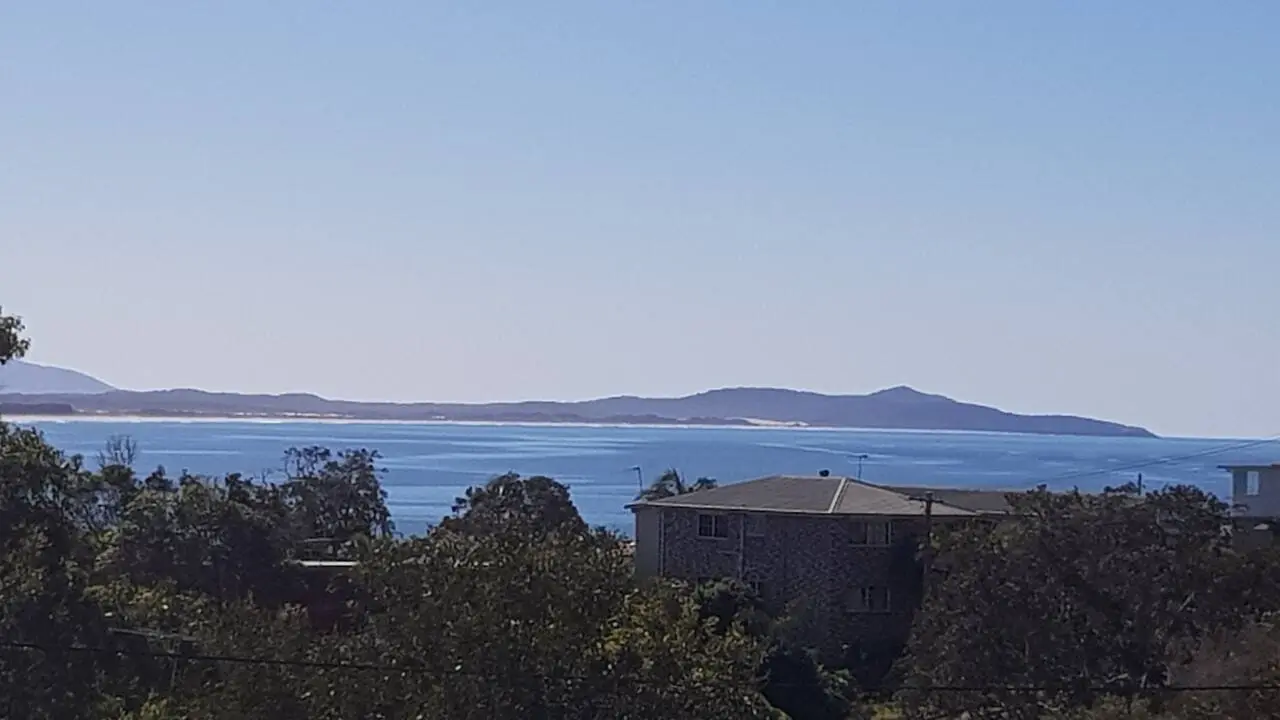
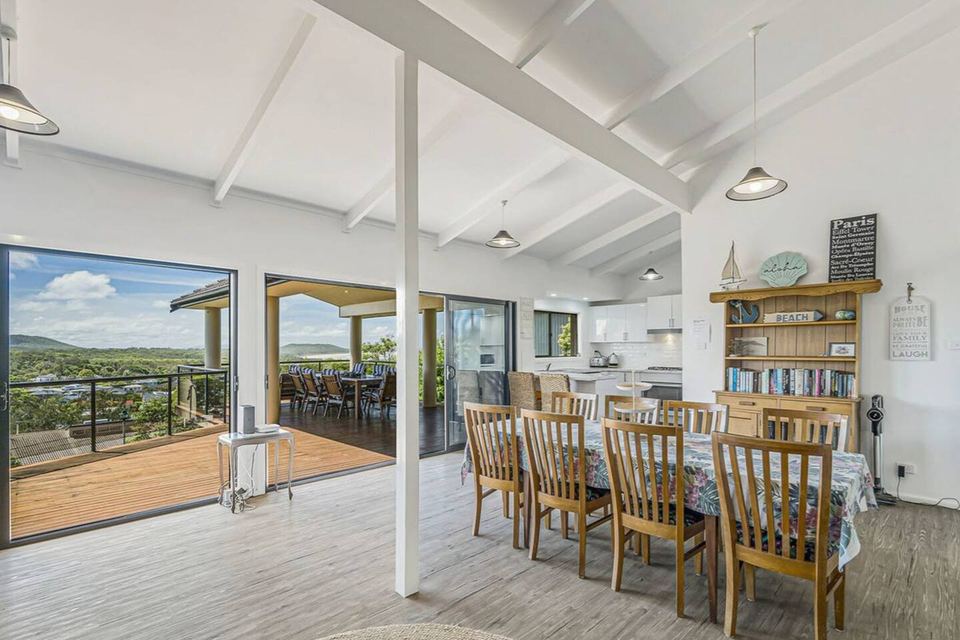
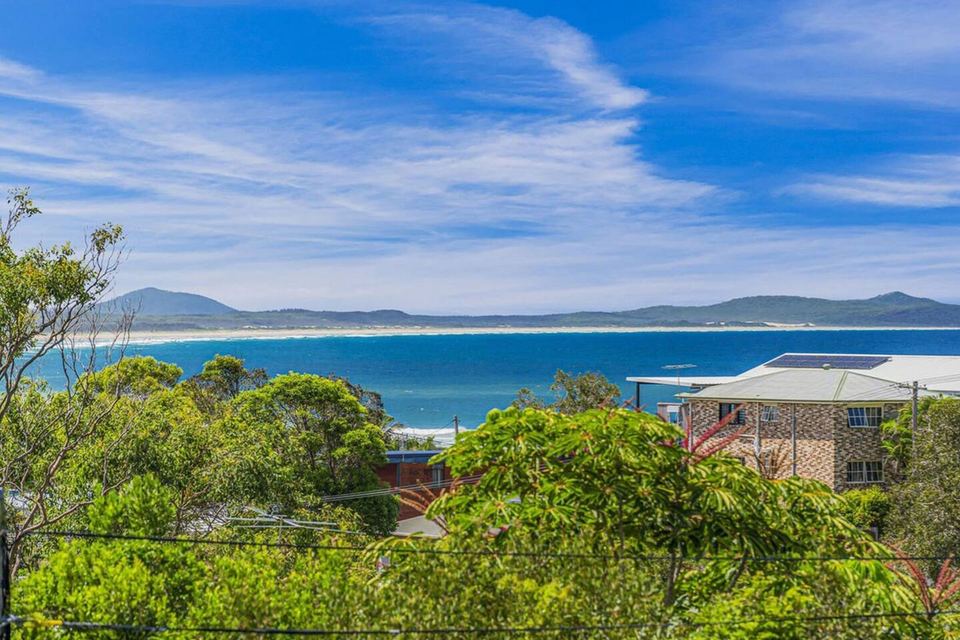
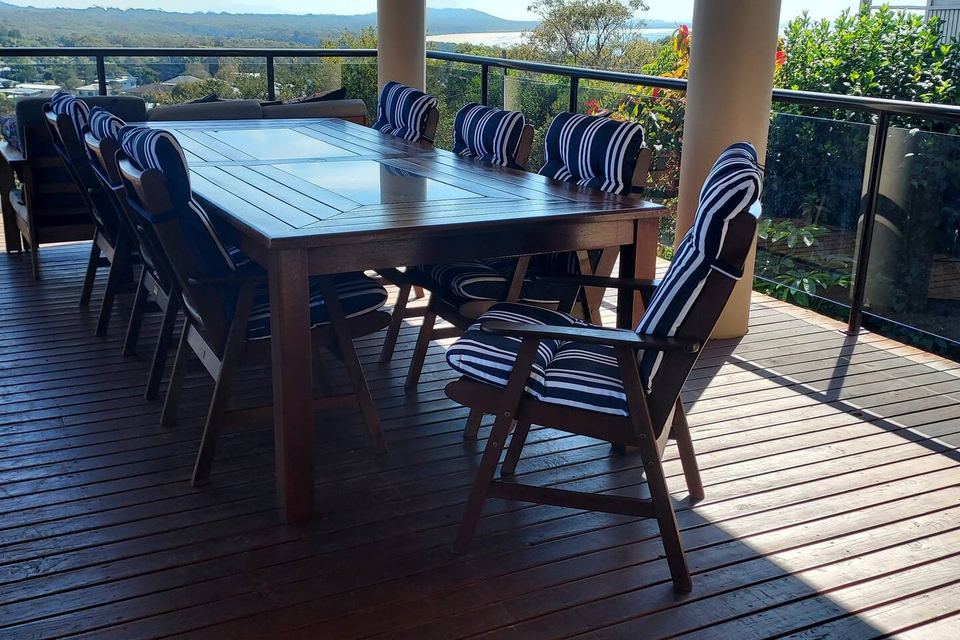
You don’t always have to leave the deck. From The Deck, the ocean fills the eastern horizon, and in peak season it’s not unusual to catch a blow or a breach from the dining table with a coffee in hand — especially on the southern migration. The headland is the better seat, but the deck is the more comfortable one.
Pair it with
A whale-watch sits neatly alongside a winter surf trip — the same months that bring the cleanest swell bring the northbound whales. Surf at dawn, watch the horizon over breakfast.
Keep reading
All Explore guides-
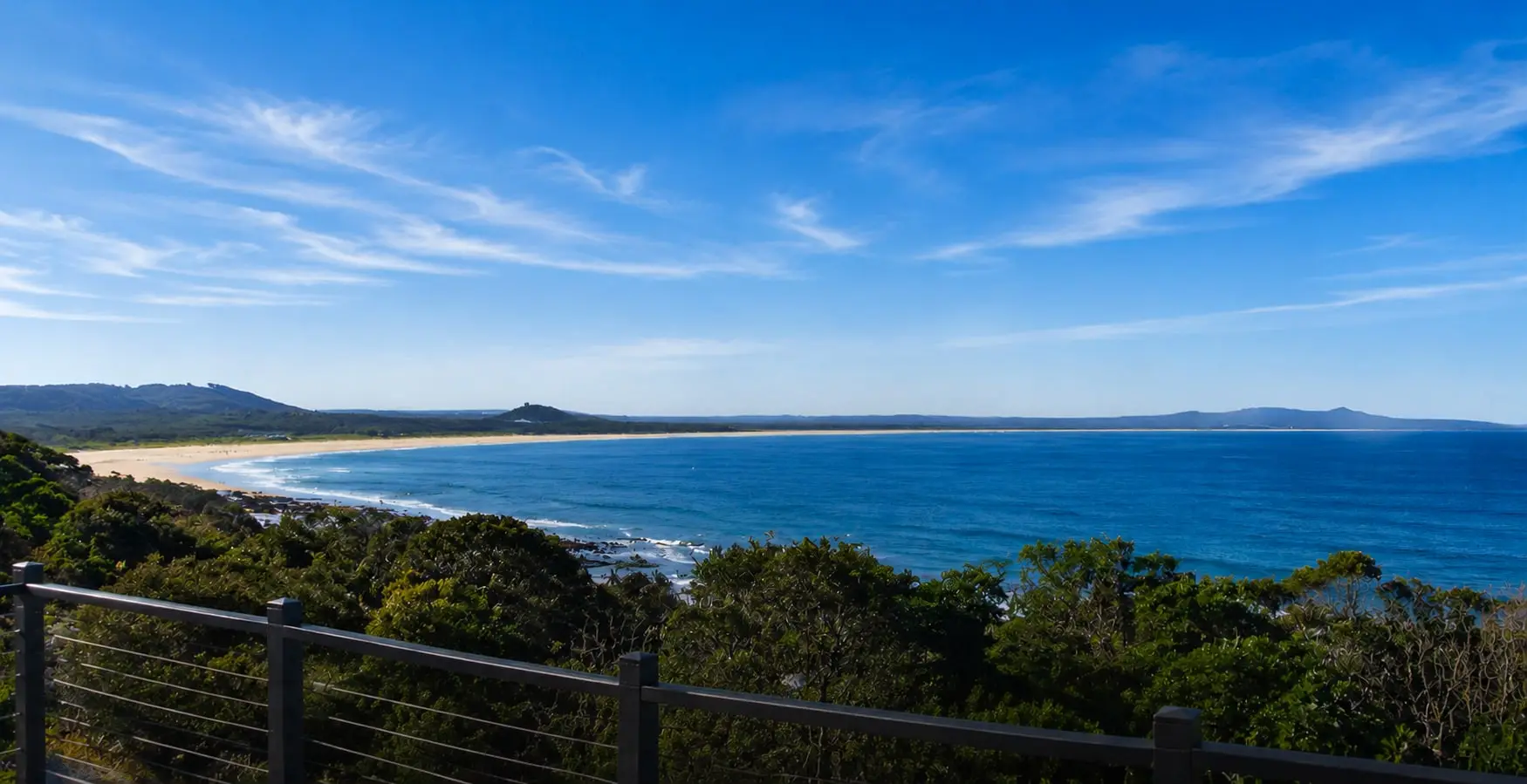 Explore · 8 min Hat Head: the village, national park, walks & dogs Hat Head, north of Crescent Head: the village and Korogoro Creek, the best walking tracks, Smoky Cape Lighthouse, and the dog rule that catches people out.
 -
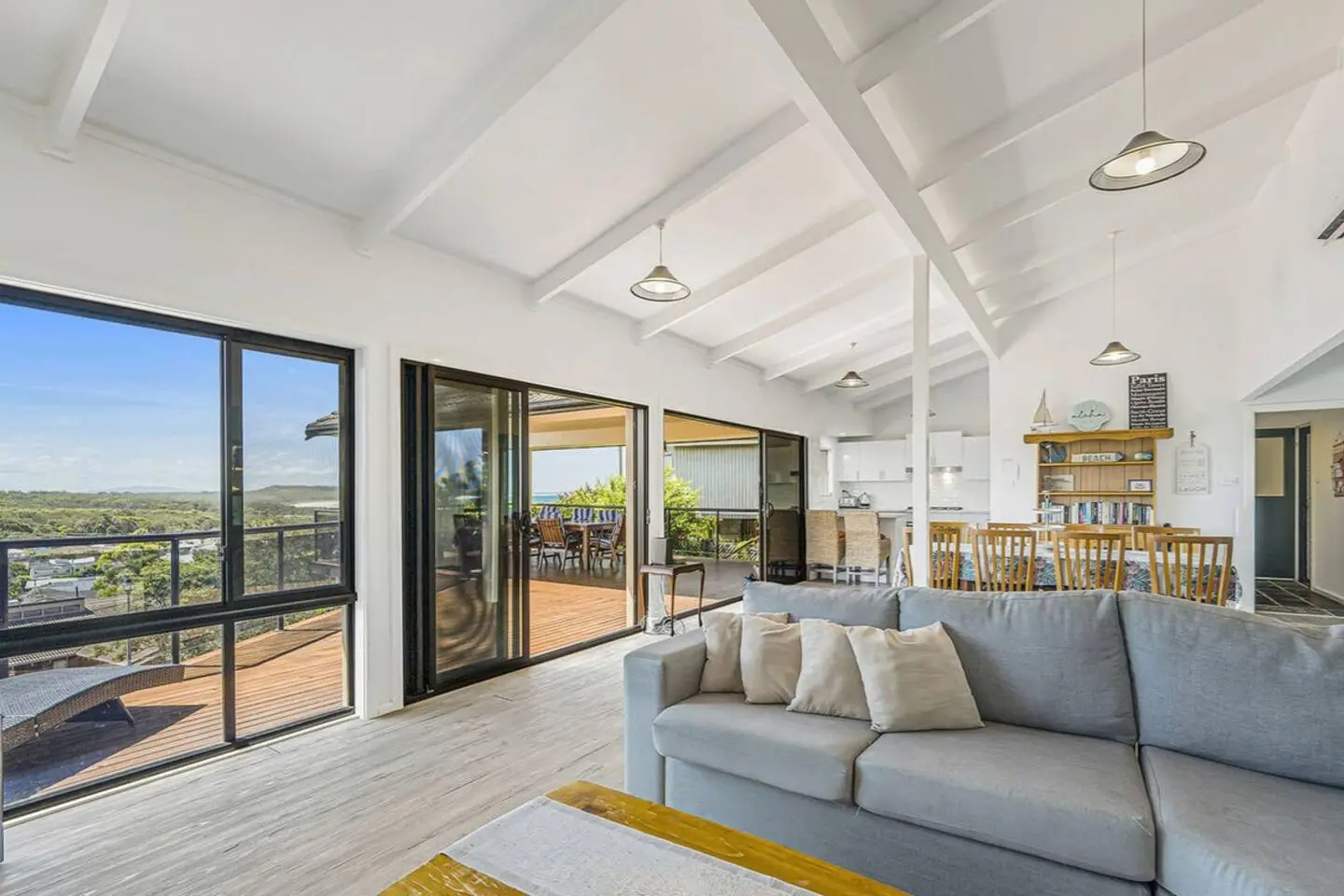 Explore · 8 min Kempsey and the Macleay Valley: worth a stop? Most people treat Kempsey as a supermarket stop. The Slim Dusty Centre, Gladstone, the markets and Fredo pies are the case for stopping properly.
 -
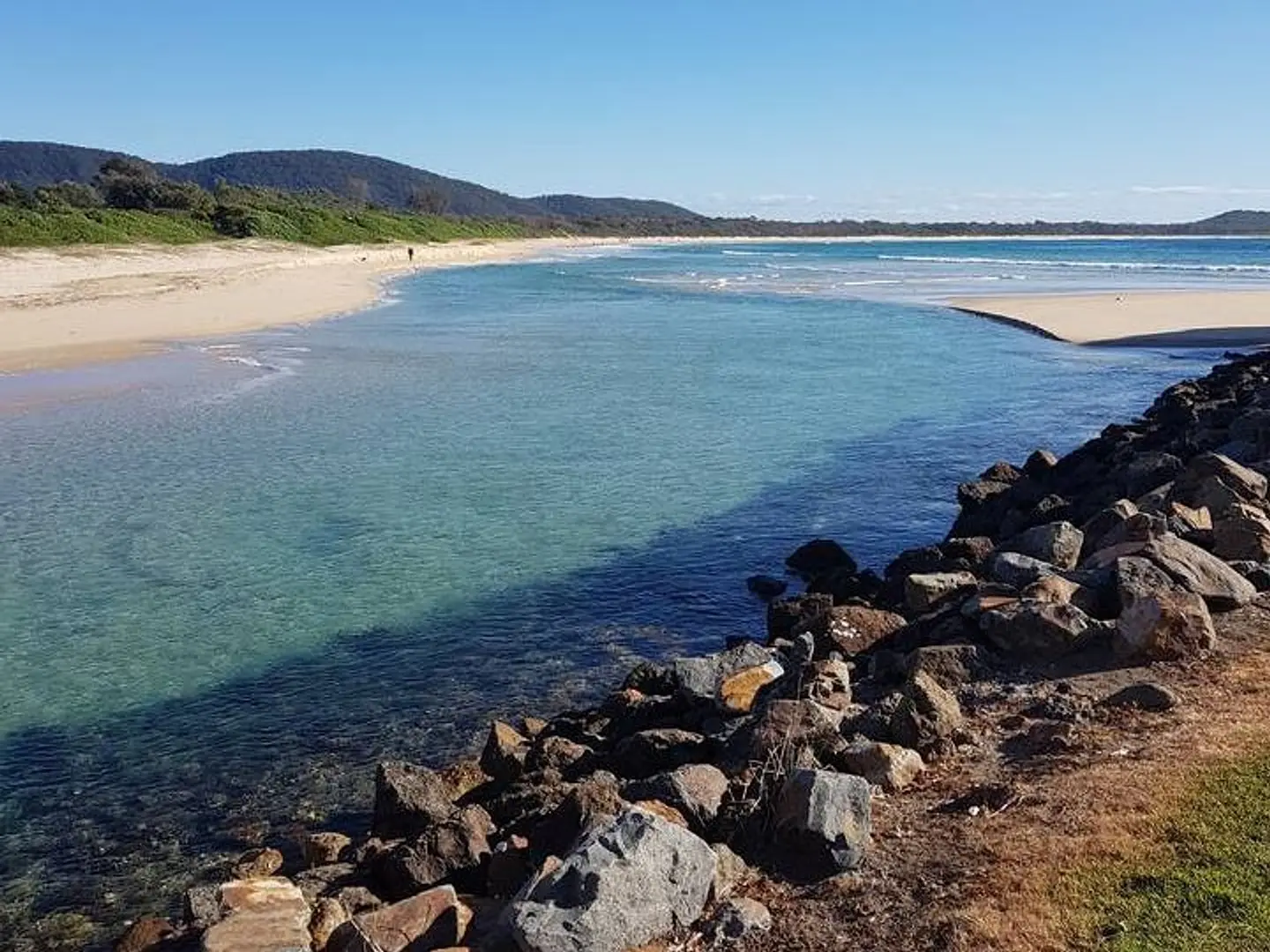 Explore · 7 min Killick Creek: the estuary at Crescent Head A guide to Killick Creek, Crescent Head: the safest swimming in town, the tides that matter, fishing the estuary, kayaking, and the dog beach.