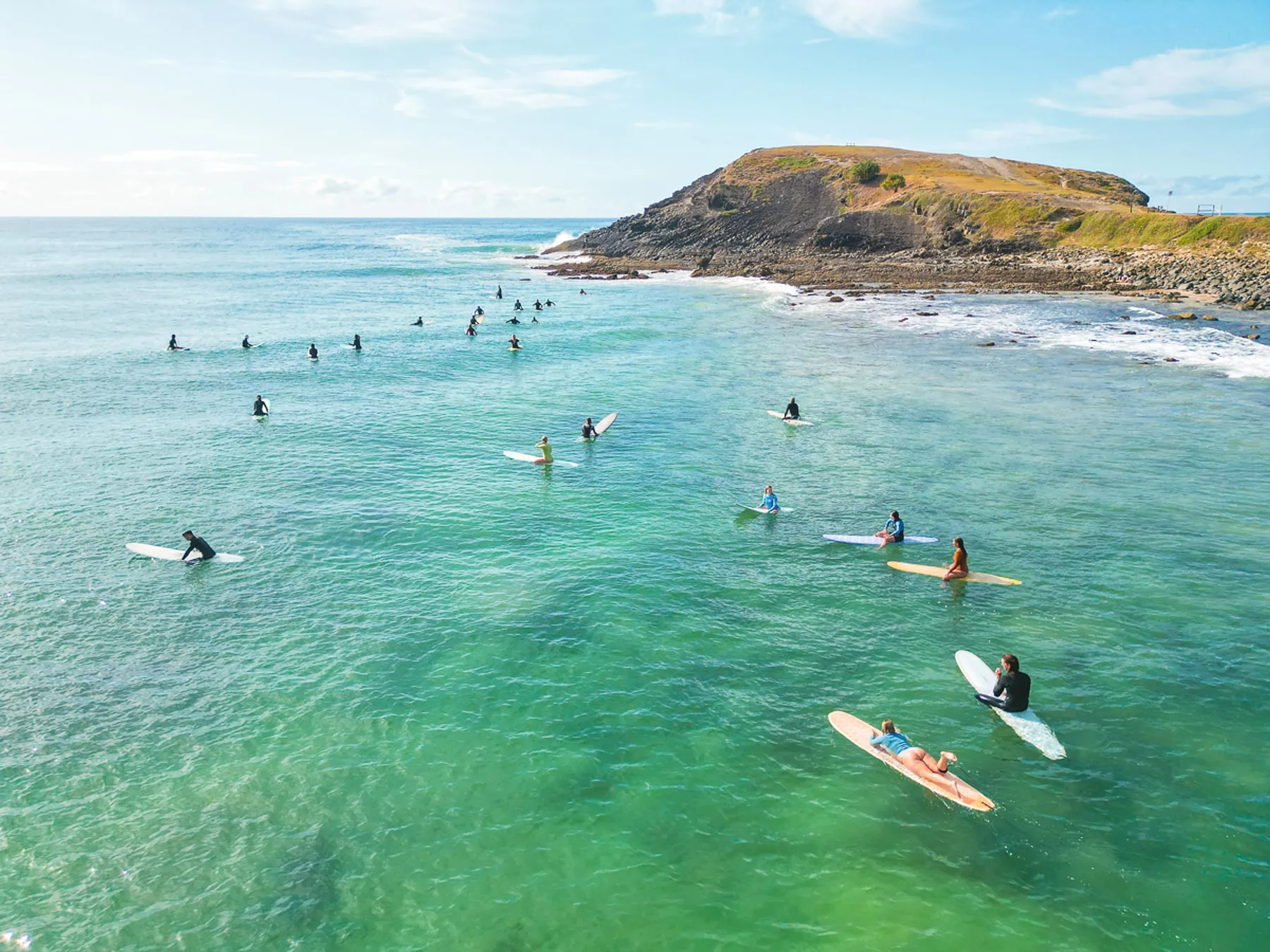
Seven minutes to the point.
Crescent Head surf accommodation
A surf house above one of Australia’s great longboard waves. Walk down, paddle out, walk back and rinse the boards.
The wave
A National Surfing Reserve, at the bottom of the hill.
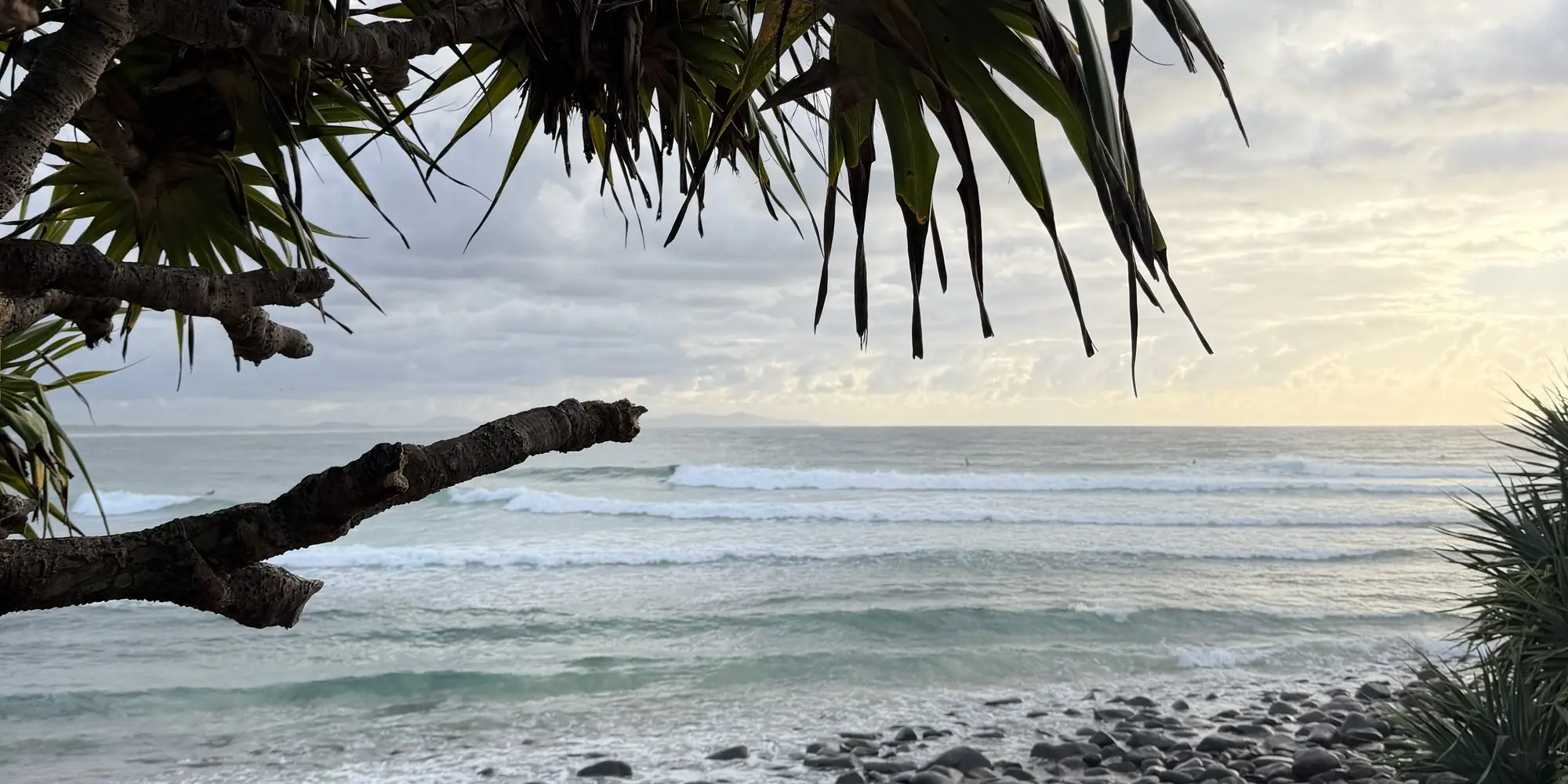
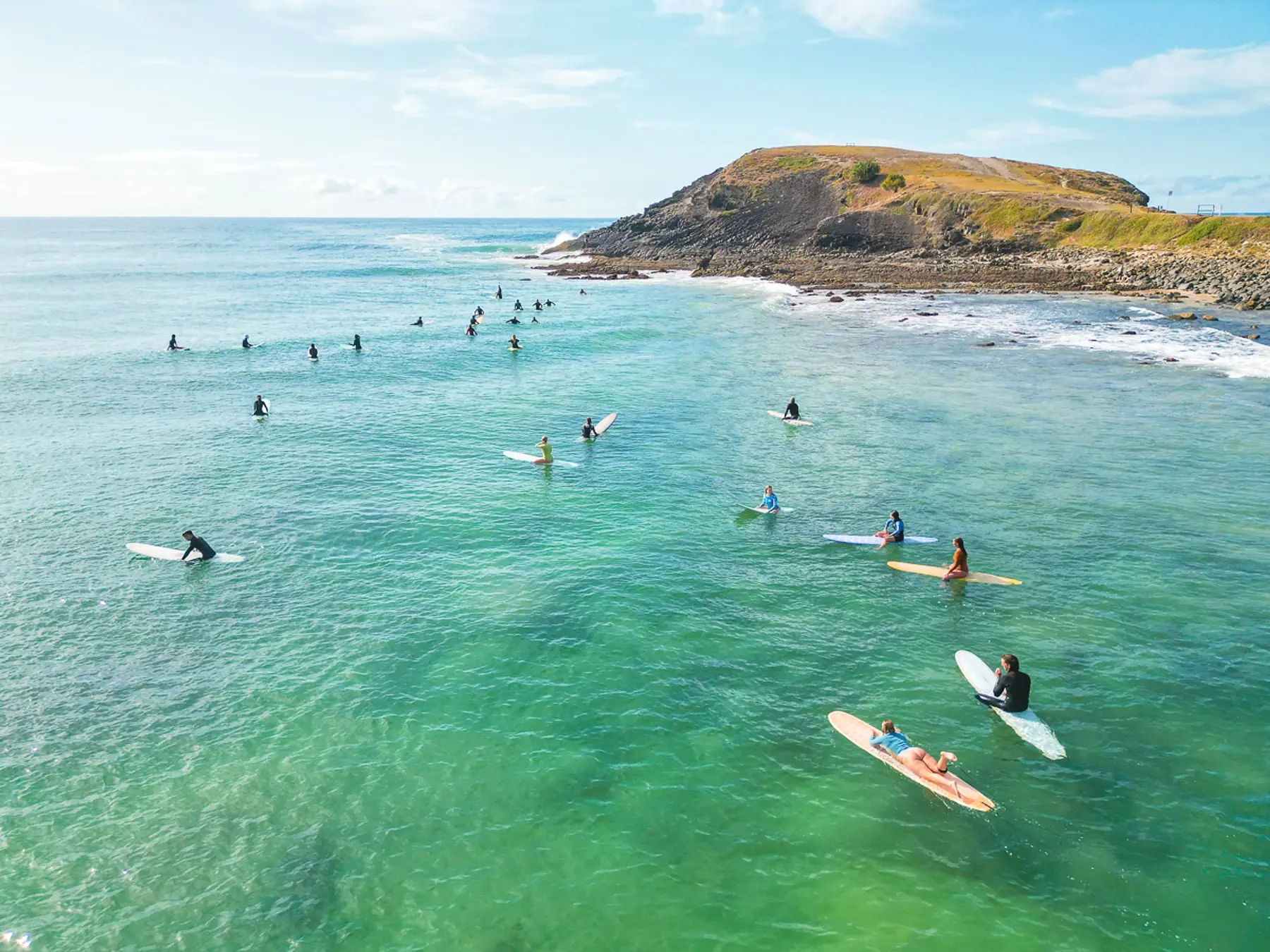
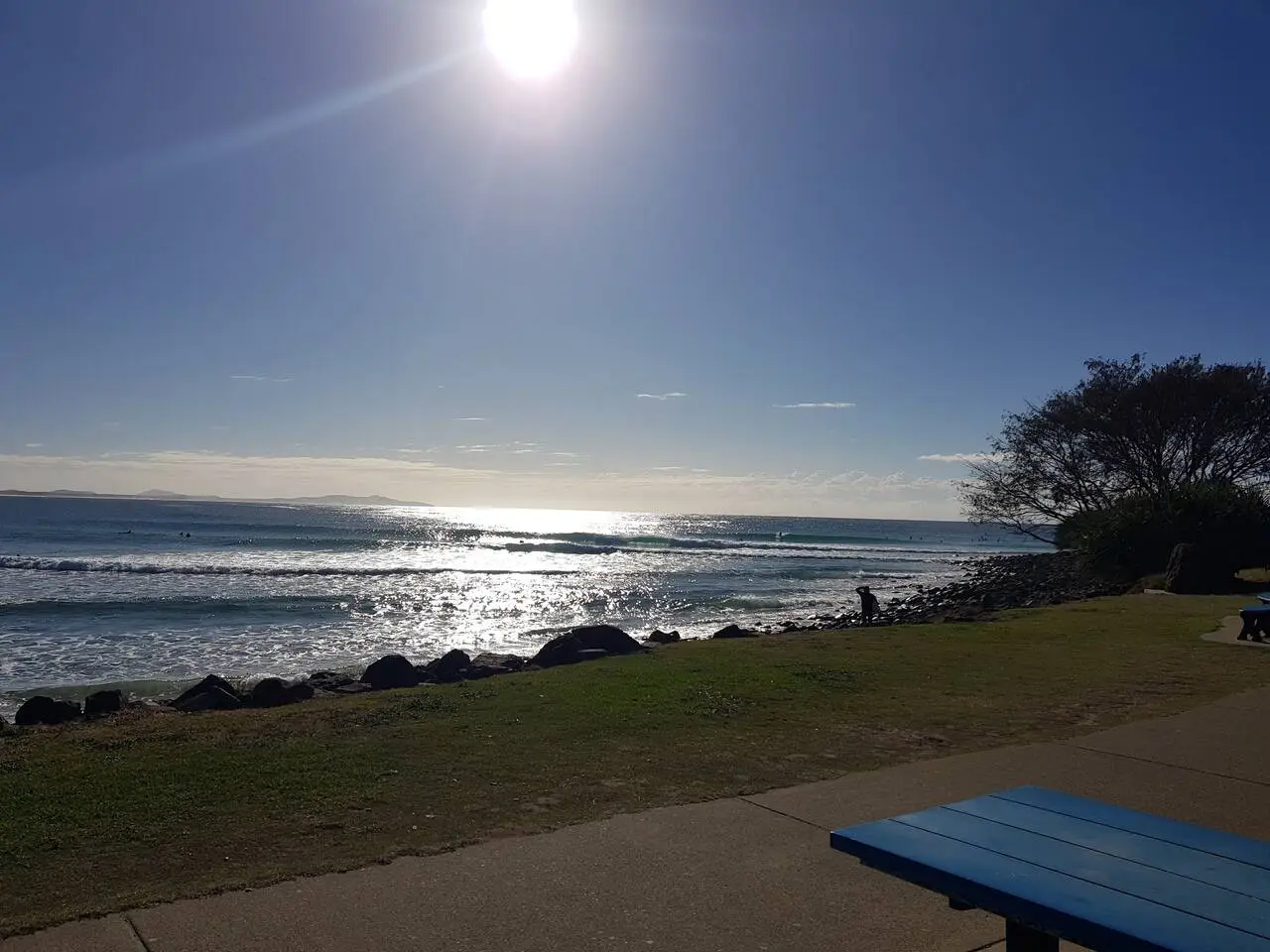
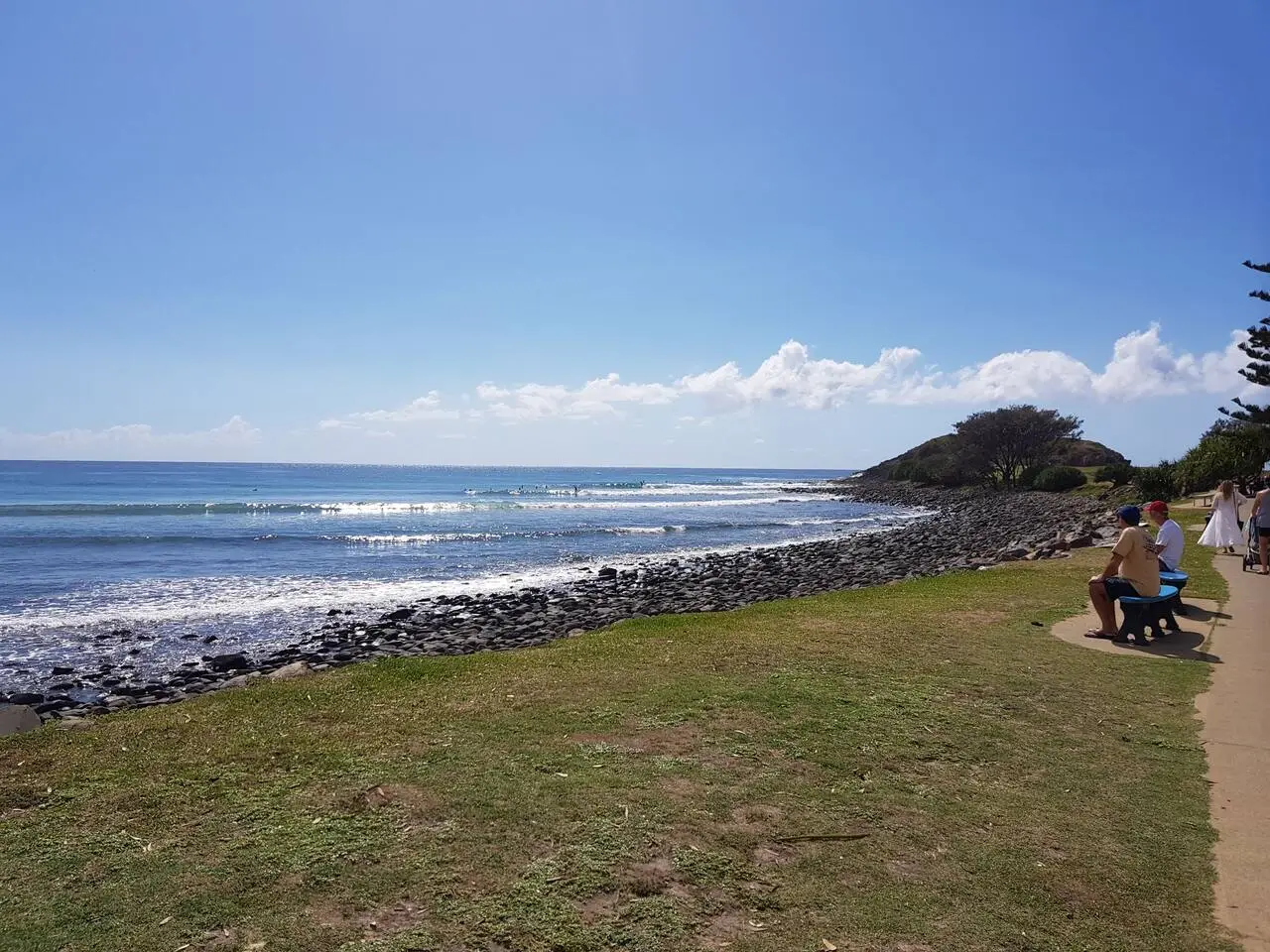
The point at Crescent Head is one of the longest right-hand longboard waves in the country: mellow, forgiving, and peeling all the way to Killick Creek. The Deck sits seven minutes’ walk up the hill.
Declared a National Surfing Reserve in 2008, it suits everyone from a first-timer on a foamie to a seasoned longboarder.
A surfer’s base
Set up for surf trips.
Walk to the line-up
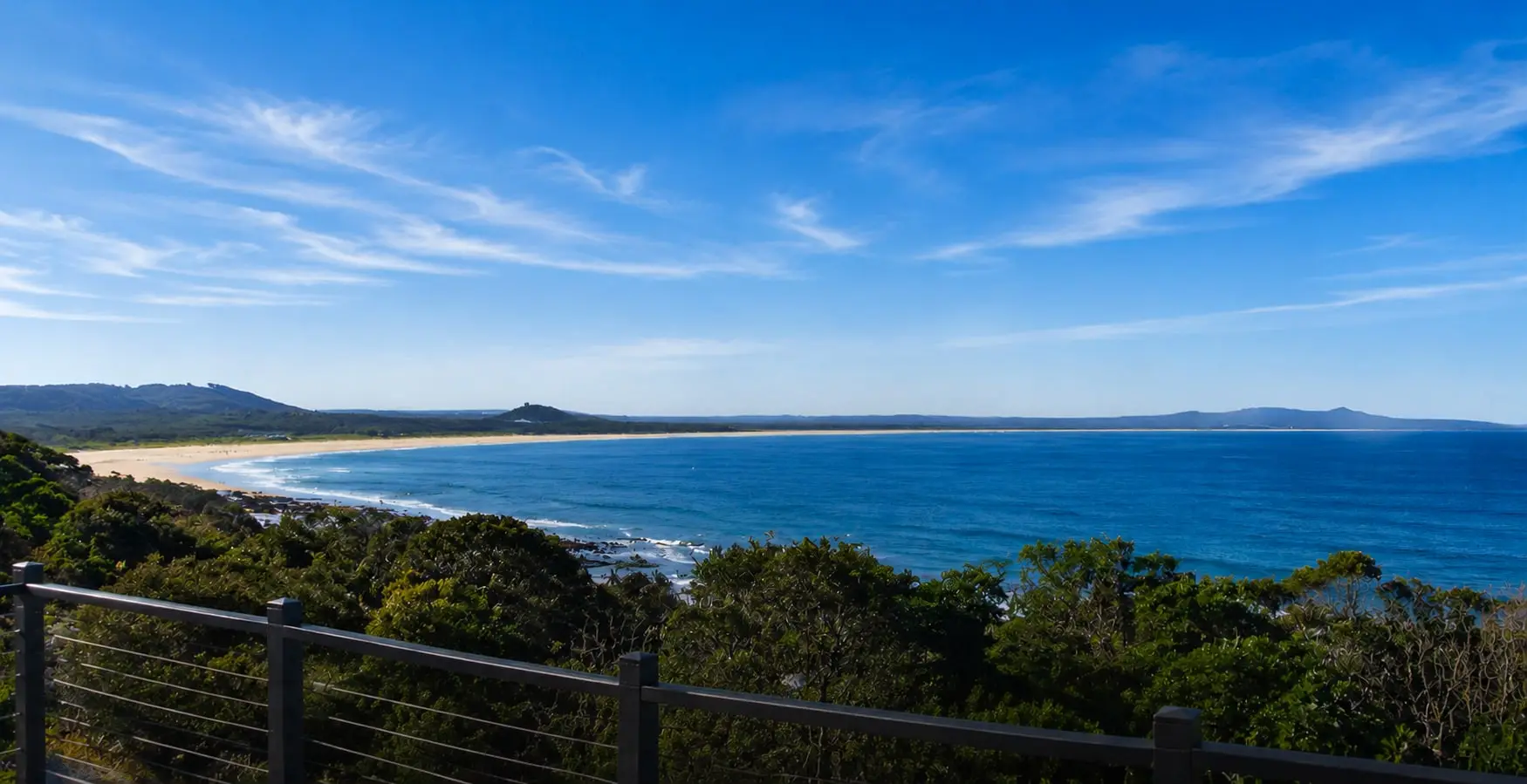
Seven minutes downhill to the point, with no driving and no parking. Check the swell from the deck before you even wax up.
Boards and wetsuits sorted
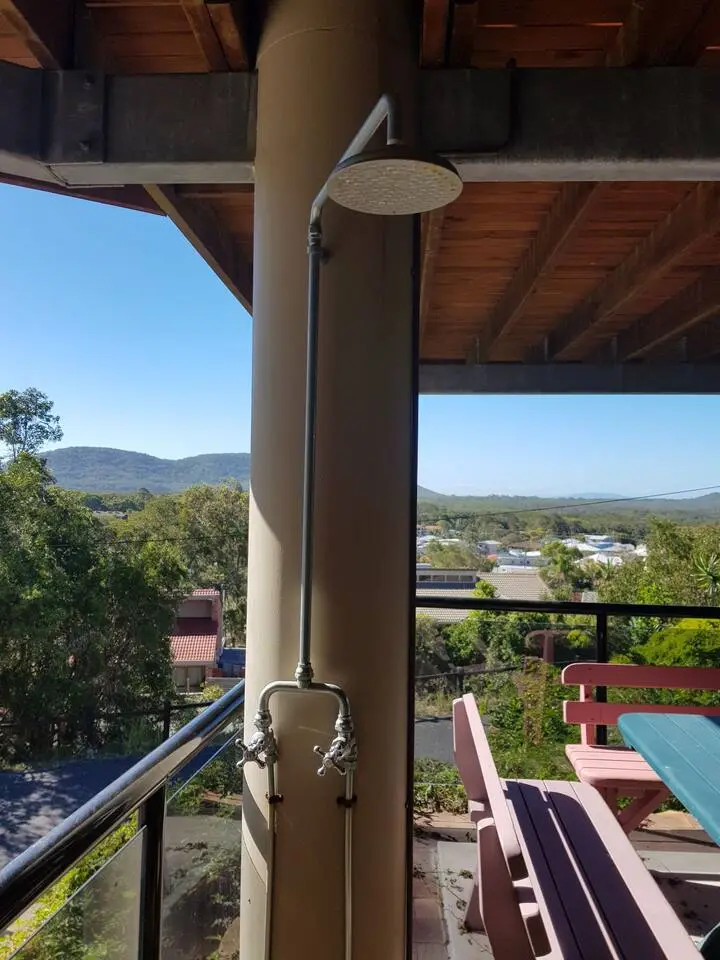
An outdoor shower (hot and cold) to rinse the salt, a rail for the wetsuit, and a garage to keep the longboards safe overnight.
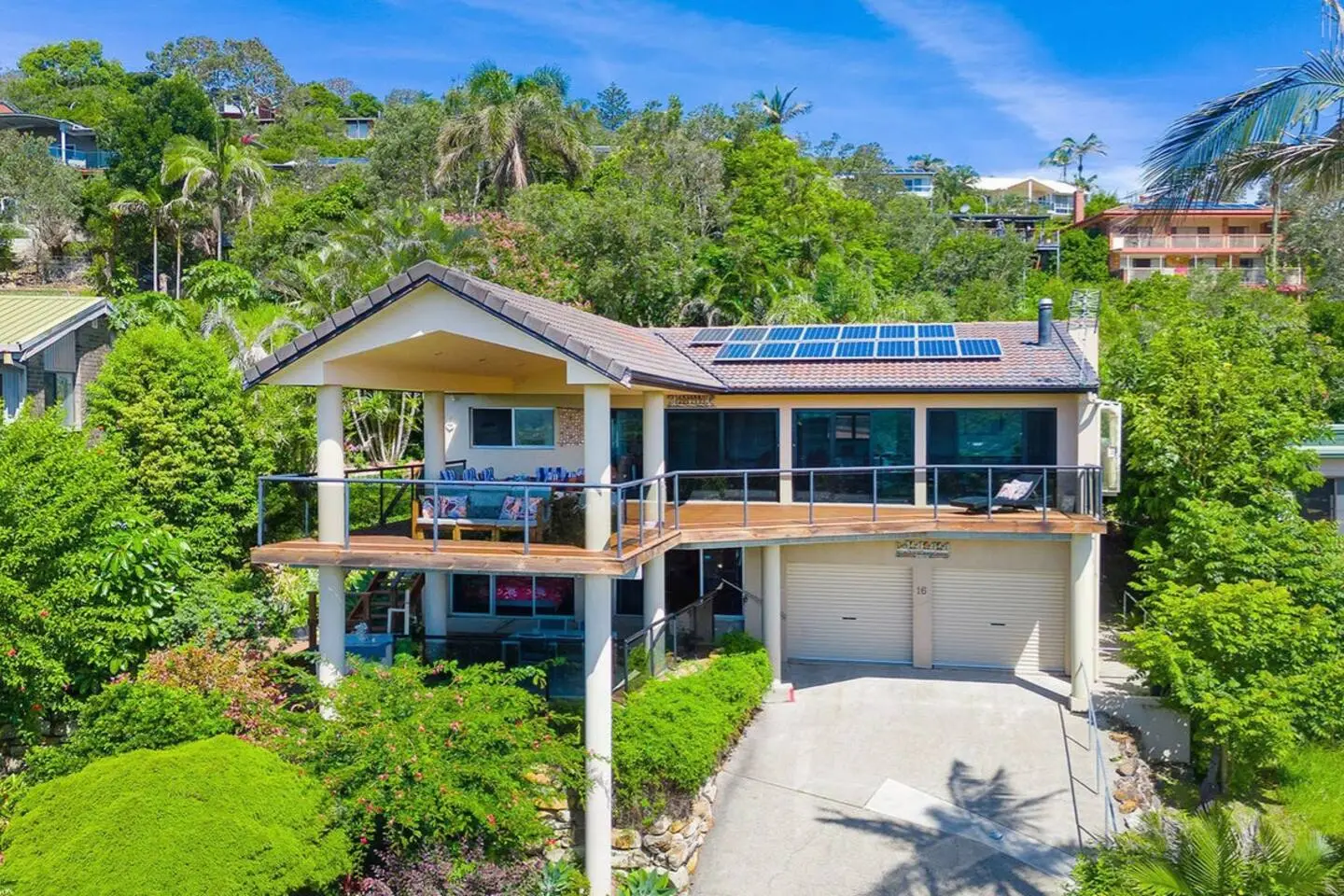
Sleeps six
Two queens and a room with two singles. Bring the crew, split the house, and still have the deck for the post-surf debrief.
Dawn-patrol ready
Nespresso and a 900mm cooktop for the early start, a wood fireplace for the cold ones, and Starlink to check the forecast.
When to come
Surf all year, best in winter.
The point works year-round, but May to August is when the south-easterly swells line up cleanest.
The Malibu Classic, Australia’s classic longboard contest, rolls into town each year.
Local knowledge
Where to surf.
The point is the headline, but there’s more: the back beaches south of town, Killick, and the spots that turn on with the right swell.
Reading the point
What makes it break.
The point is a sand-and-rock right-hander that can run a couple of hundred metres on the right day. Four things decide whether that day is today.
Swell direction
East to south-east is what you want. The point needs swell that wraps in around the headland; a straight easterly closes out the bay and does nothing for the wall.
Wind
Westerly offshore is the magic ingredient, which is why winter mornings are the pick. By mid-morning in summer the nor’easter is usually in and the point goes soft.
Tide
Less critical here than at most breaks: it works across the tide range. Lower tides tend to sharpen the sections; higher tides make it fatter and friendlier for a longboard.
Size
Small and clean is the classic Crescent day: long, slow, endless. As it gets bigger the inside gets rocky and the current running back out along the point gets serious.
Worth knowing before you paddle out: there are submerged rocks on the inside and the current along the point can move quickly when there’s size. It’s a friendly wave, not a soft one. If it’s your first session here, sit wide, watch a set through, and let the regulars show you where the take-off sits.
Plan the trip
Read up before you paddle out.
How far is the point from the house?
Seven minutes’ walk downhill. You can see the swell from the deck before you decide whether it’s worth waxing up, which saves a lot of wasted trips.
Is Crescent Head good for beginners?
On a small, clean day it’s one of the friendliest waves in New South Wales to learn on: long, slow and forgiving. It gets less forgiving as the size comes up, and there are rocks and current on the inside, so beginners are better off on the sand at Front Beach when it’s bigger.
What board should I bring?
A longboard or a mid-length is the right tool most days; the wave is made for it. Bring a shortboard or a fish as well if there’s real size in the forecast.
When does the point work best?
May to August. The wave wants an east to south-east swell with a west offshore wind, and that combination lines up most reliably through winter. It breaks across all stages of the tide.
Does it get crowded?
Yes, when it’s on. It’s a well-known wave and a National Surfing Reserve, so a good winter swell brings people from up and down the coast. Dawn patrol is the answer, and the house is close enough that you can be first in.
Where do I keep the boards?
There’s a garage for overnight storage, an outdoor shower with hot and cold water to rinse the salt off, and a rail for hanging wetsuits.
From $250 a night*
Check availabilityHosted by Trent and Liss, who answer in under an hour.
*Prices vary with the time of year, season and demand. Live pricing is always on our Airbnb listing.