Learning to surf at Crescent Head
Why Crescent Head is one of the best places in NSW to learn to surf — a long, gentle longboard wave, where to start, and how to make a weekend of it.

By Trent and Liss
In this guide
If you’ve ever wanted to learn to surf, Crescent Head is about as good as it gets. The wave that made the town famous is the same wave that makes it perfect for beginners.
Why the wave suits beginners
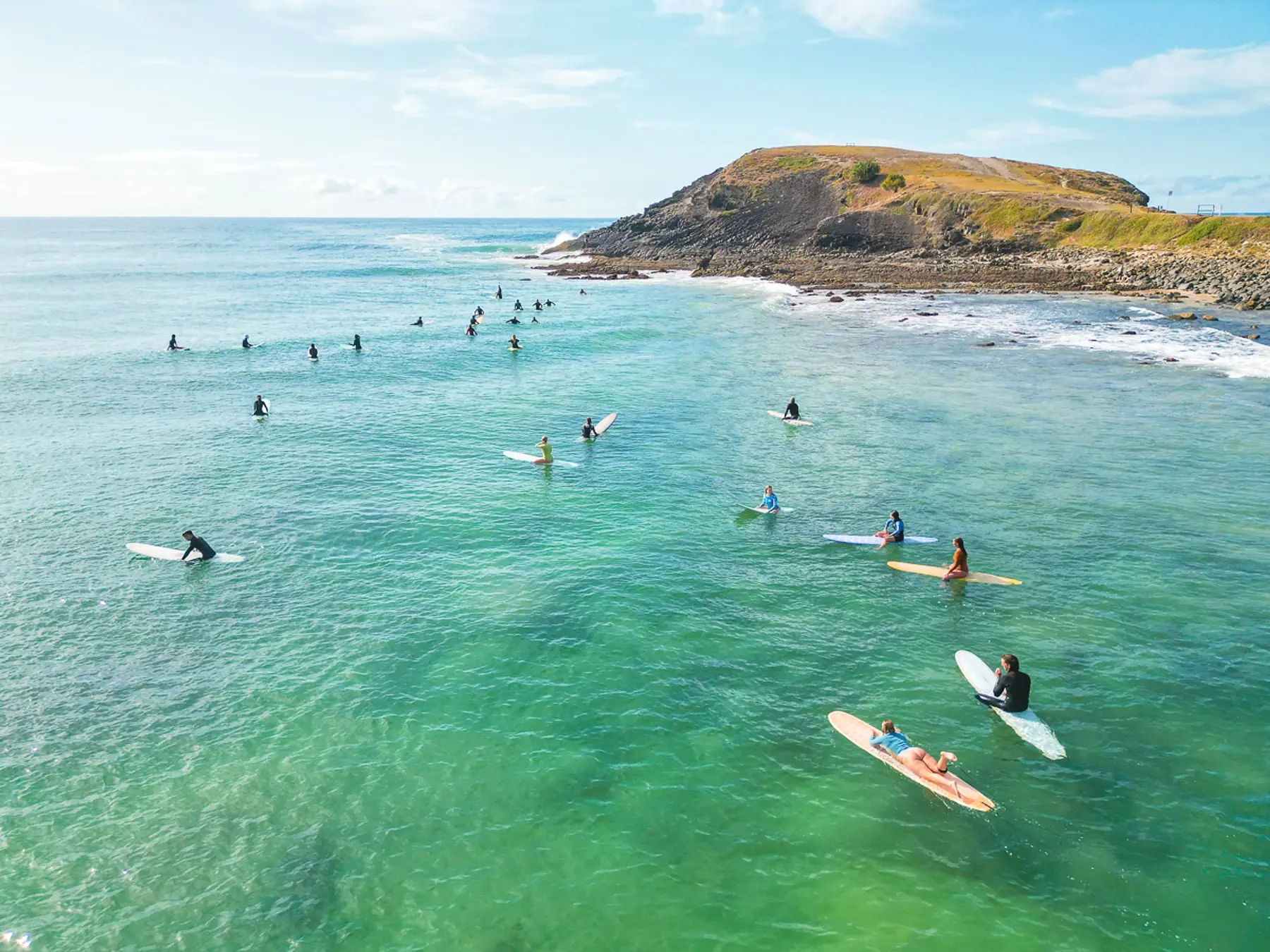
The Crescent Head point is a long, mellow right-hander — a National Surfing Reserve that peels slowly off the headland and runs a long way toward Killick Creek. That’s exactly what you want when you’re starting out:
- Slow, gentle waves that give you time to get to your feet — no fast, heaving drops.
- Long rides that let you actually practise once you’re up.
- A forgiving, sandy-bottomed point rather than shallow reef.
It’s a longboarder’s wave, which is the friendliest kind of wave to learn on.
Where to start
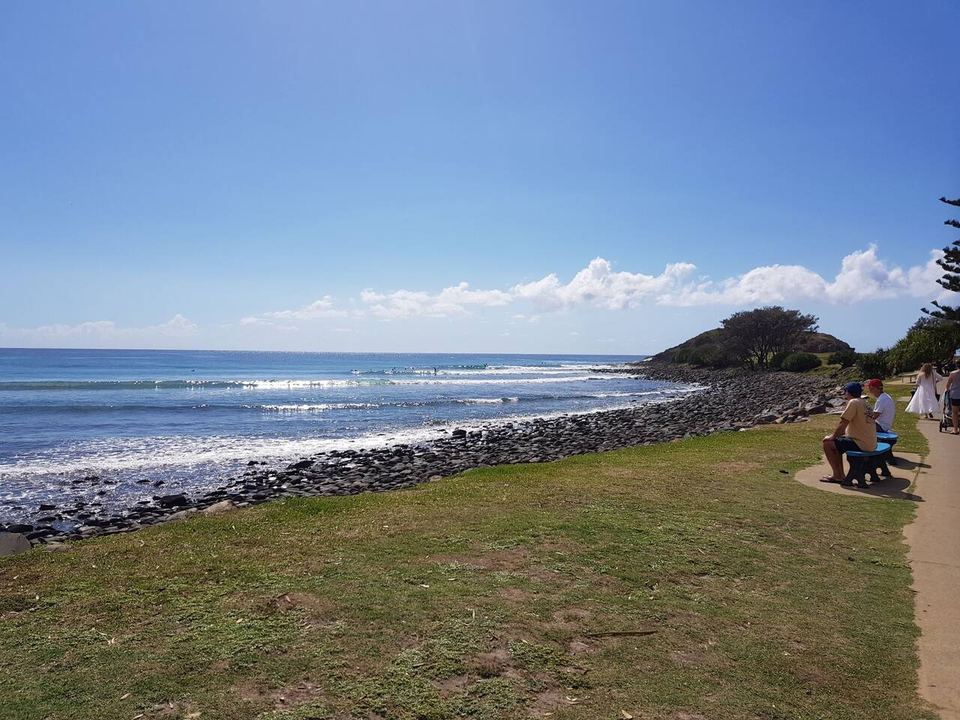
On smaller days, the inside of the point and the front beach are ideal for first-timers — whitewater to practise standing up, then graduate to catching the green waves as you find your feet. Local surf schools and board hire operate in town through the busier seasons; a lesson or two will shortcut the learning curve enormously.
Gear: a big, stable foam longboard (“foamie”) is your friend. Through the cooler months a 3/2 wetsuit; in summer a spring suit or boardies.
Best conditions for learning
You want small, clean, light-wind mornings. Dawn is usually the glassiest. Avoid the bigger swells (great for experienced surfers, intimidating for beginners) — check the forecast and, if in doubt, ask at a surf school or in the line-up. Everyone at Crescent is pretty friendly.
Point-break etiquette, which matters more here than at a beach break
This is the part most beginner guides skip, and at a point it’s the thing that will make or break your session. At a beach break, waves come through in lots of places and nobody much minds where you sit. At a point, everyone is riding the same wave from roughly the same spot, and there’s an order to it.
The short version:
- The surfer closest to the breaking part of the wave has priority. If someone is already up and riding toward you, that’s their wave. Don’t take off in front of them — that’s “dropping in”, and it’s the one thing that will actually annoy people.
- Don’t paddle straight up the middle of the line-up. Paddle out around the shoulder, wide of where people are riding, even if it takes longer.
- Wait your turn. People who’ve been sitting there longest go first. Paddling around everyone to get deeper is noticed.
- If you wipe out, hold onto your board where you can. A loose longboard travelling down the line is genuinely dangerous to whoever’s behind you.
- Apologise if you get it wrong. Everyone does at some point. A raised hand and a “sorry” resolves almost everything.
Crescent Head has a friendly line-up by the standards of good waves, but it’s a well-known break and it gets busy on a good swell. Turning up, sitting wide, watching for a bit and working out the rhythm before you paddle into the pack is never the wrong move.
Where not to start
Being honest about this saves people a bad morning.
Don’t start at the point when there’s size. The wave that’s mellow and forgiving at two foot is a different animal at five, and the inside of the point has submerged rocks and a current that runs back out along the headland. That current is useful if you know what you’re doing — it’s a conveyor belt back to the take-off — and disorienting if you don’t.
On bigger days, the sand at Front Beach is the answer. You’ll learn more in the whitewater there than you will getting worked on the rocks.
What progress actually looks like
Most people expect to stand up on day one and are disappointed. A more realistic arc over a long weekend:
- Session one:whitewater, on your belly, working out where to put your feet and how the board behaves. You’ll stand up briefly and it will feel like nothing.
- Session two:standing more often, still in whitewater, starting to point the board rather than just going straight.
- Session three:catching a couple of unbroken waves, probably at the very inside of the point on a small day.
That’s a good weekend. Anyone promising more is selling something.
Make a surf-learning weekend of it
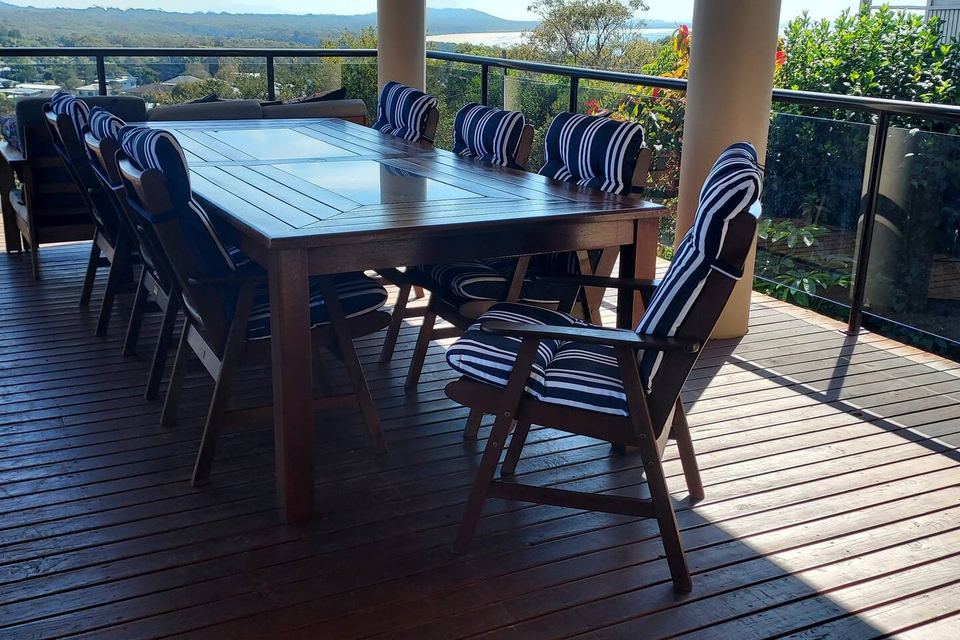
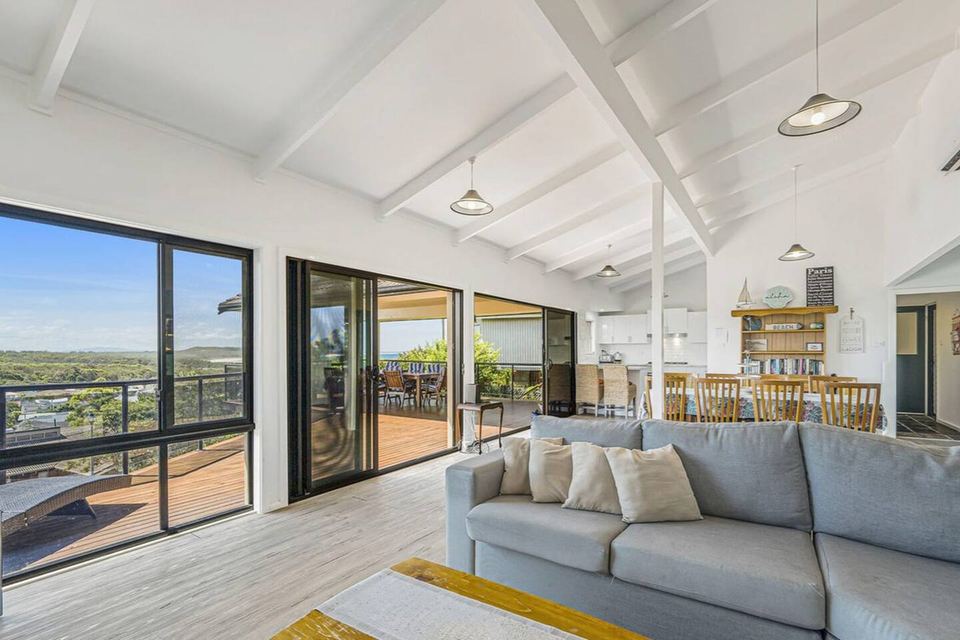
The best way to improve is back-to-back sessions: a dawn surf, breakfast at Barnett’s, a rest, then an evening go when the wind drops. Staying seven minutes’ walk from the point makes that easy — rinse the board on the outdoor shower, dry the wetsuit on the rail, and you’re back out in minutes.
When the surf’s flat, there’s plenty else to do; when it’s on, you’ll be glad you’re this close.
See the house → · Surf accommodation → · Check availability →
Keep reading
All Surf guides-
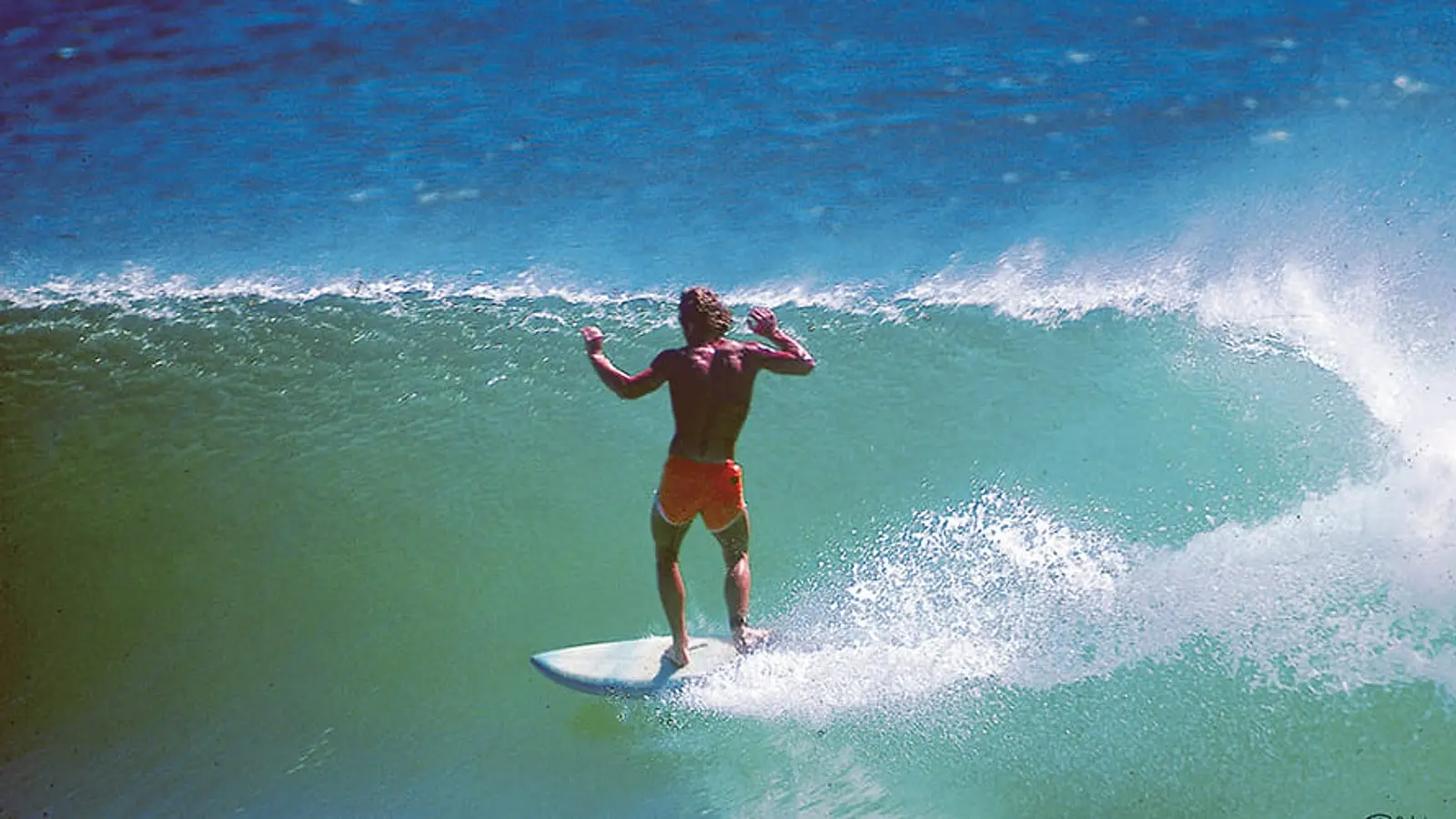 Surf · 8 min The surfing history of Crescent Head How a small NSW village became one of Australia's great longboard towns: the point, the National Surfing Reserve, the Malibu Classic.
 -
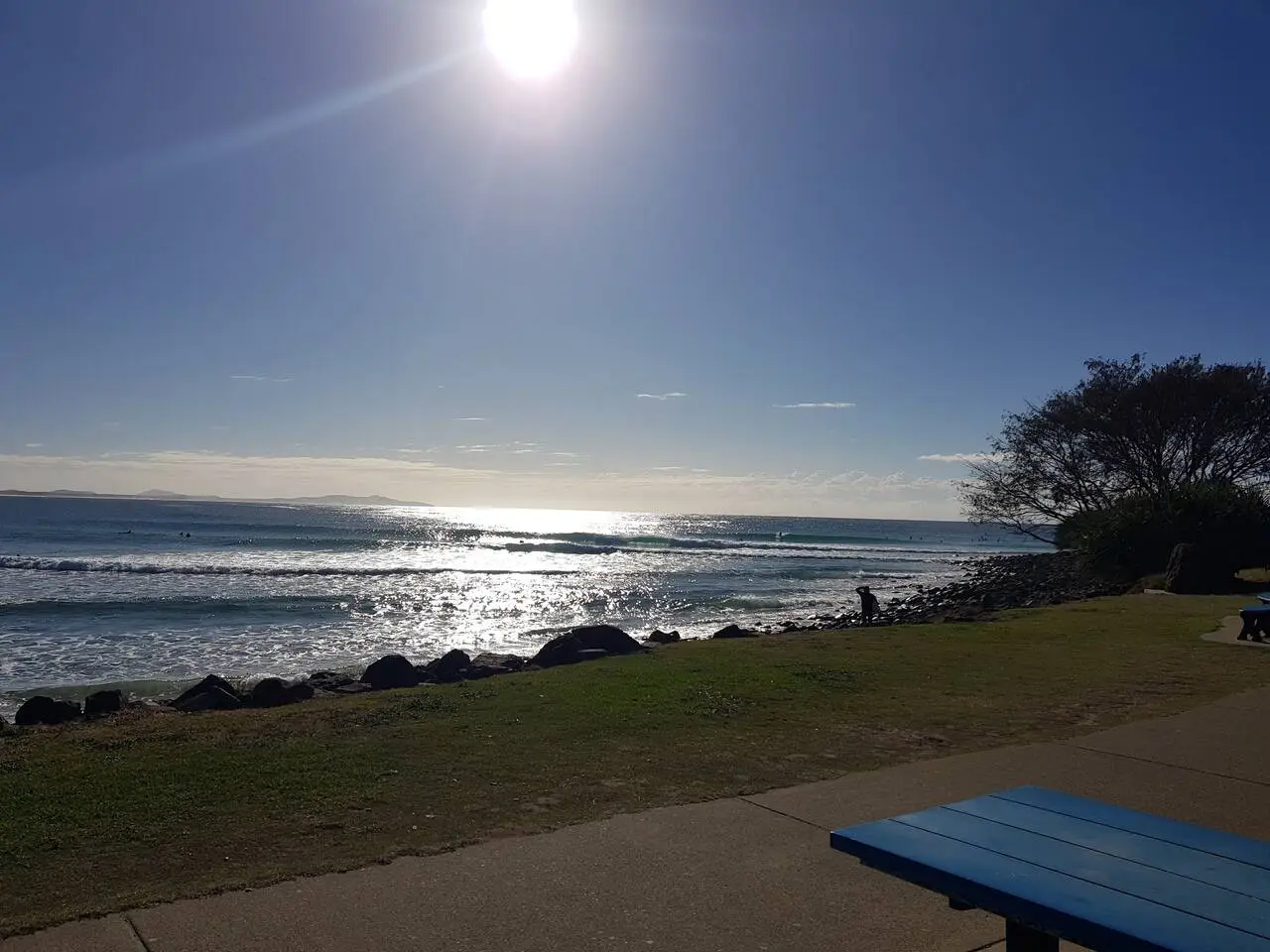 Surf · 6 min The 5 best surf spots near Crescent Head, NSW A local guide to surfing Crescent Head — the point break, the back beaches, and where to paddle out depending on the swell and wind.
 - Plan & Stay · 7 min Crescent Head in the school holidays Planning a school-holiday trip to Crescent Head, NSW? What changes in peak season — beach patrols, dog rules, crowds — and how far ahead you need to book.