Point Plomer: the road, campground & back beaches
The empty coast south of Crescent Head: Point Plomer Road, Point Plomer campground, Goolawah, beach driving permits, and which park allows dogs.

By Trent and Liss
In this guide
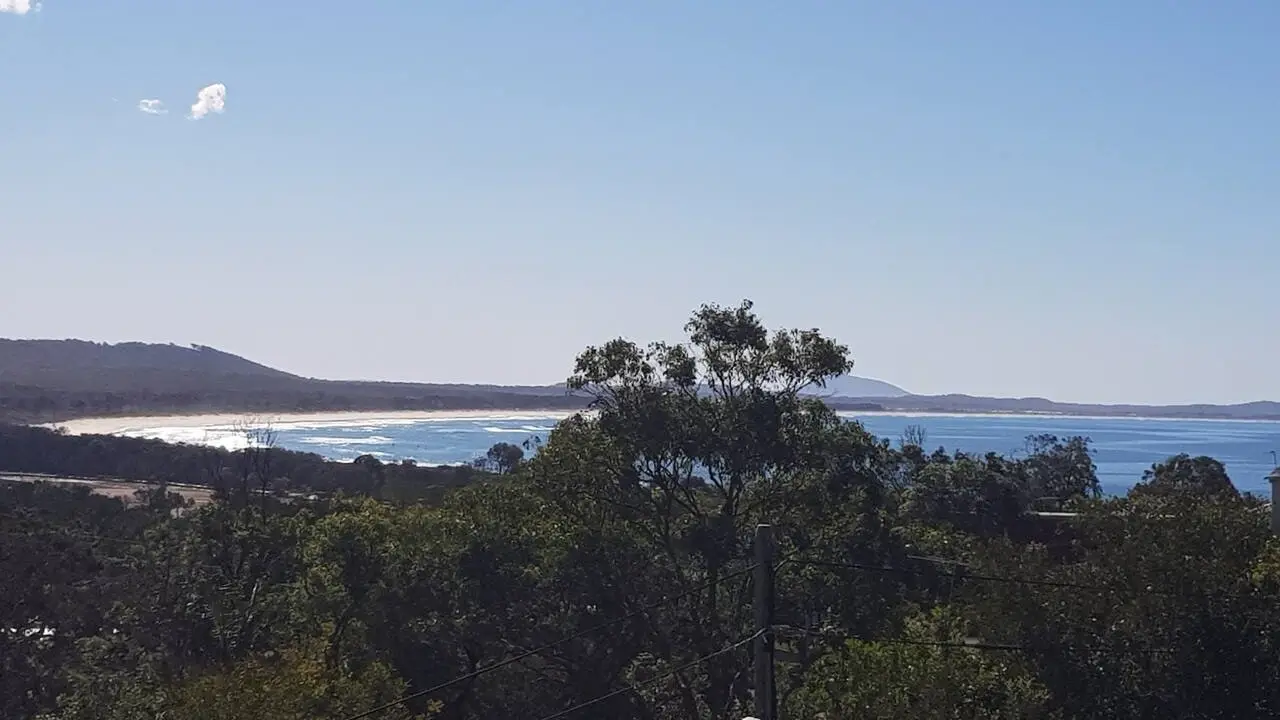
Head south out of Crescent Head on Point Plomer Road and the town stops almost immediately. What follows is one of the least-developed stretches of coast in New South Wales — dunes, empty sand, headlands, and campgrounds where you pay cash in an honesty box.
It’s the wildest thing within fifteen minutes of the house, and it comes with more rules than anywhere else nearby. Here’s how it works.
The road itself
Point Plomer Road runs south from town toward Port Macquarie, hugging the coast. It’s unsealed for much of its length, and that’s the first thing to understand.
In dry conditions a normal car will manage the northern section fine. After heavy rain it gets soft, corrugated and rutted, and the further south you go the worse it gets. If you’re in a hire car, check what your agreement says about unsealed roads before you commit — plenty don’t cover them.
For the beaches themselves, as opposed to the road, you need a 4WD. More on that below.
Two parks, one boundary, completely different rules
This is the thing that catches people out, and it matters most if you’ve brought the dog.
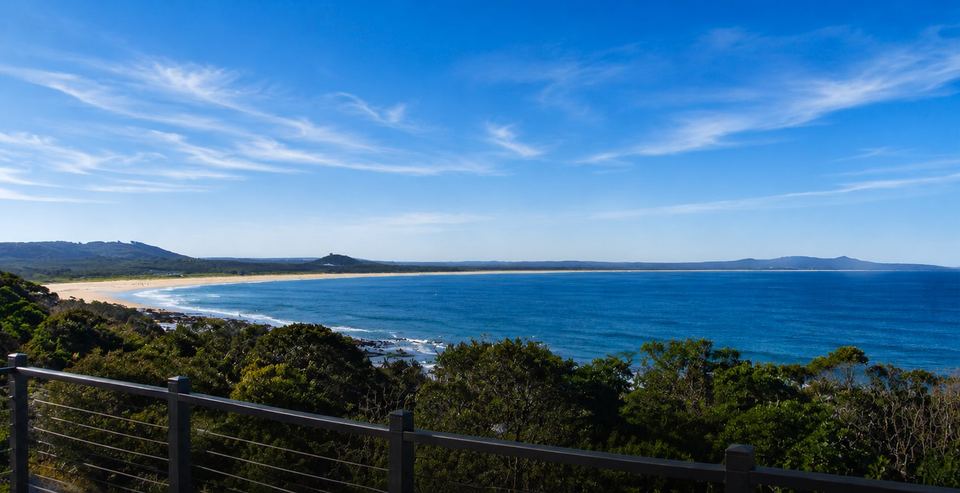
Goolawah Regional Park — dogs are permitted. This is unusual and genuinely worth knowing.
Goolawah National Park — dogs are not permitted, at any time. The national park sections cover Racecourse Headland and Big Hill.
The two sit side by side, and the boundary is not always obvious on the ground. Read the signage, and if you’re not certain which side of the line you’re standing on, turn around. Our dog-friendly guide covers the wider picture.
Where to stop
Delicate campground, Goolawah Regional Park
About ten kilometres south of town. Proper beachfront bush camping behind the dunes — beach and caravan camping, a covered picnic area, cold showers and toilets. No power.
No bookings. First in, first served. Around $24 per site for two people, paid on site.
Dogs allowed, because it’s the regional park.
Waves Campground
Along the same stretch near the Nobby, and privately run rather than parks-managed. Unpowered sites from around $24 a night, campfires permitted, basic facilities. A long-standing favourite with the surf crowd.
The national park campgrounds
Further south around Racecourse Headland and Big Hill, camping is booked through NSW National Parks. Dogs aren’t permitted in these sections.
Point Plomer campground
At the end of the road, Point Plomer campground sits right behind the beach in Limeburners Creek National Park. It’s booked through NSW National Parks, and as it’s a national park, there are no dogs.
There’s more in our camping and caravan parks guide.
Driving on the beach
You can drive on some of these beaches, and it’s one of the real draws of this stretch of coast. Two things are required and neither is optional:
A 4WD. Not a soft-roader, not an AWD wagon. Soft sand above the high-tide line will bog a two-wheel-drive within metres, and recovery out here is expensive and embarrassing in roughly equal measure.
A permit. Beach driving in NSW national parks requires a vehicle access permit from NSW National Parks. Buy it before you go — conditions, pricing and the specific beaches covered change, so check the current NPWS requirements rather than relying on what someone told you at the pub.
If you haven’t done it before
- Drop your tyre pressures. This is the single biggest factor in not getting bogged. Air back up before you return to the road.
- Drive on the hard sand below the high-tide mark, and know the tide before you start. Getting caught by an incoming tide is the classic way this goes wrong.
- Carry recovery gear and preferably travel with a second vehicle. There is no phone reception along much of this coast.
- Watch for people, dogs and birds. These beaches are used by walkers and shorebirds nest above the tide line.
- Give way to the environment. Stay off the dunes entirely — the vegetation holding them together takes decades to recover.
Walking in instead
You don’t need a 4WD to enjoy any of this. Park at Delicate or one of the pull-offs and walk.
The reward is the same: kilometres of dune-backed sand where you can genuinely walk for an hour without seeing another person. It’s the emptiest coast within easy reach of Crescent Head, and on a weekday outside the holidays you may well have the whole thing.
Take everything with you — there is no shade, no water, no bins and no facilities beyond the campgrounds.
Fishing and surfing down here
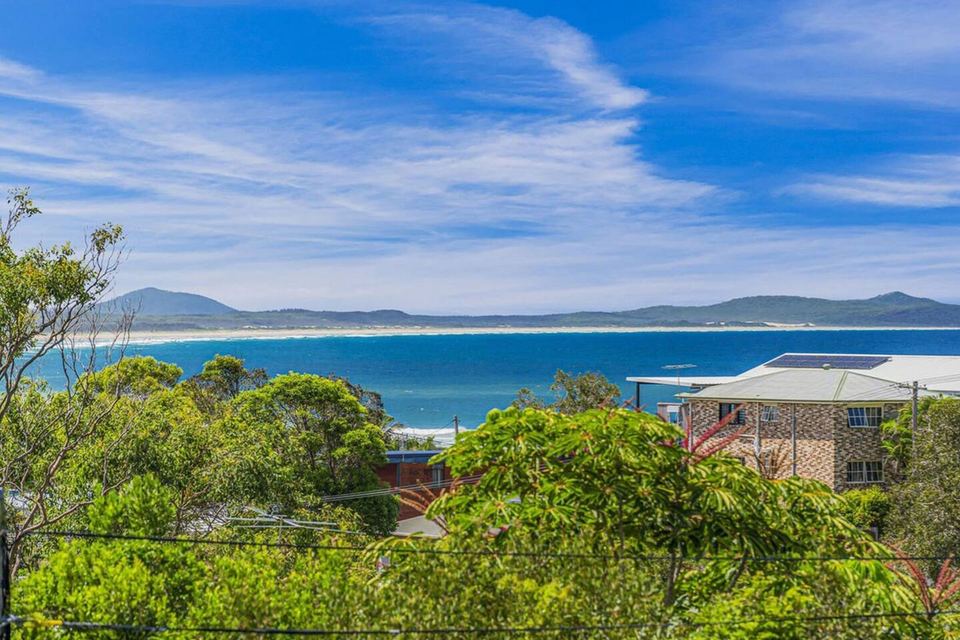
The back beaches reward people willing to read the sand. Gutters form and shift along this stretch, and the fishing is better than anywhere closer to town precisely because so few people bother. See our fishing guide.
For surfing, this is exposed, shifting beach break rather than the ordered point at Crescent Head — it can be excellent and it can be a closeout, and there’s nobody around if it goes wrong. Our surf spots guide has more.
A realistic plan for a first visit
- Check the weather and the road. After heavy rain, leave it.
- Drive to Delicate — about fifteen minutes, manageable in a normal car in dry conditions.
- Park and walk. Half an hour north or south along the sand gives you the whole idea.
- Take water, sun protection and everything else. There’s nothing out there.
- Be back before dark. Unsealed road, no lighting, and kangaroos on the move at dusk.
Goolawah is a regional park, so the dog can come. Limeburners Creek is national park, so it can’t. If you’re travelling with one, that single distinction shapes the whole trip — see our pet-friendly house, and the rest of what there is to do here.
More nearby
Keep reading
All Explore guides-
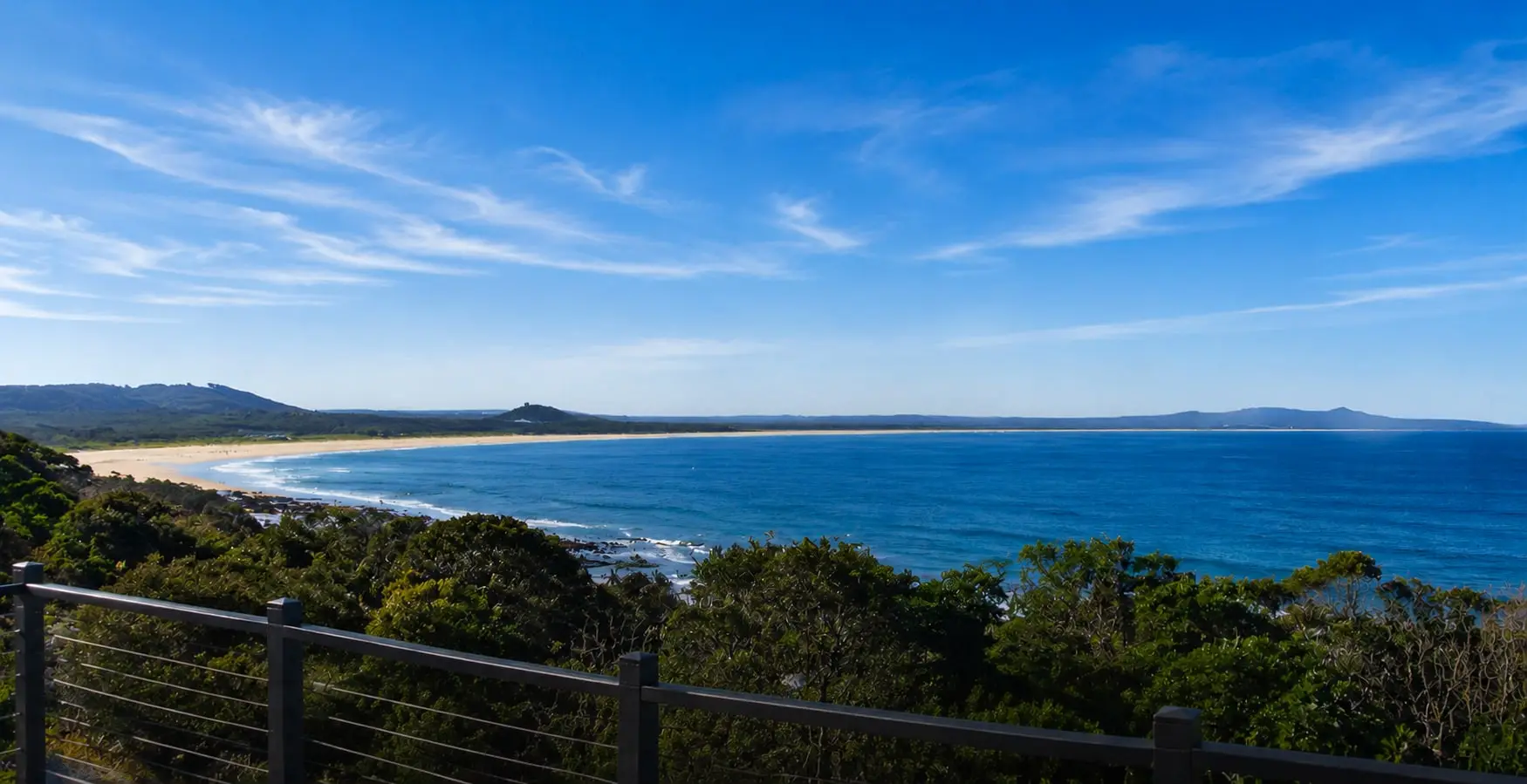 Explore · 8 min Hat Head: the village, national park, walks & dogs Hat Head, north of Crescent Head: the village and Korogoro Creek, the best walking tracks, Smoky Cape Lighthouse, and the dog rule that catches people out.
 -
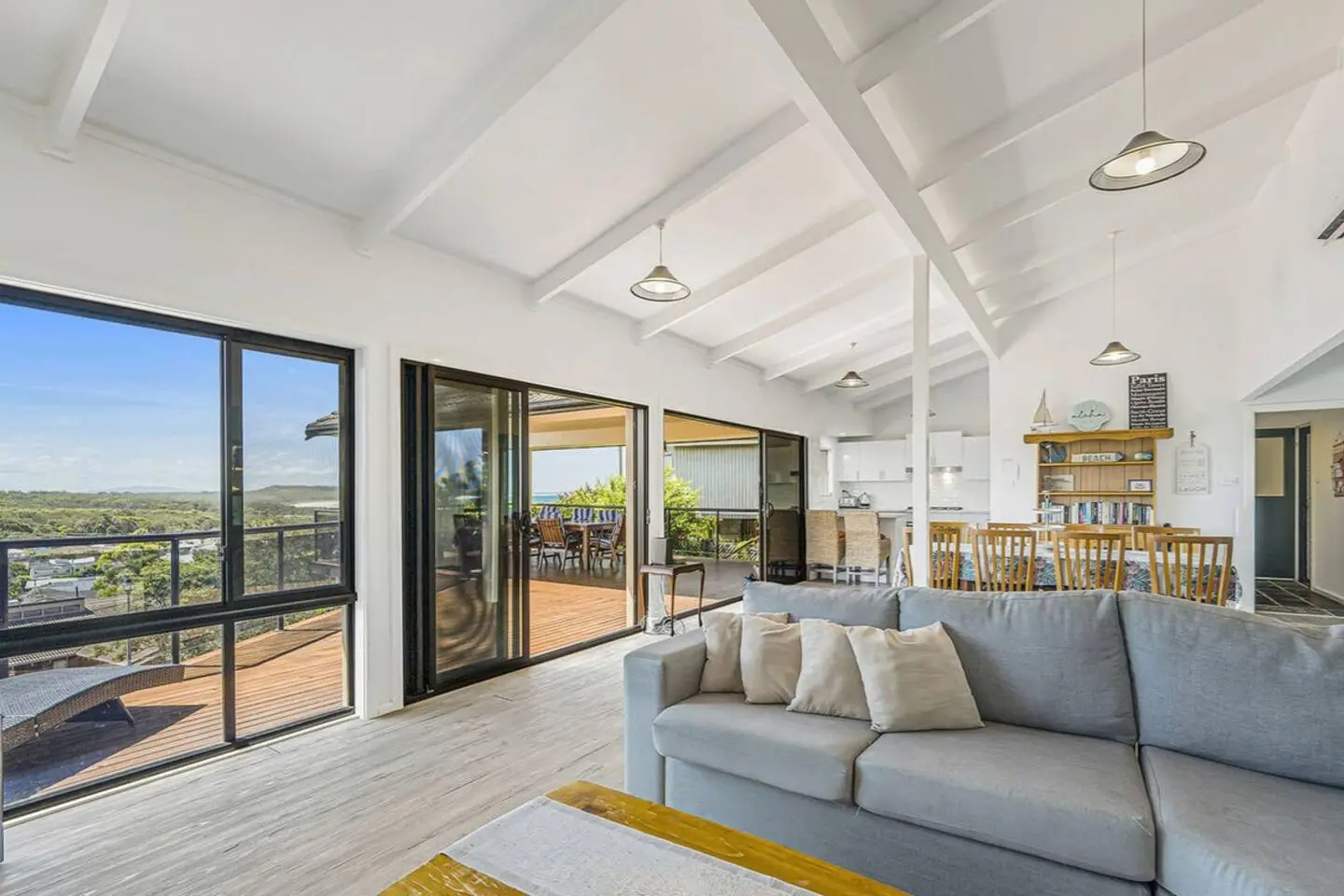 Explore · 8 min Kempsey and the Macleay Valley: worth a stop? Most people treat Kempsey as a supermarket stop. The Slim Dusty Centre, Gladstone, the markets and Fredo pies are the case for stopping properly.
 -
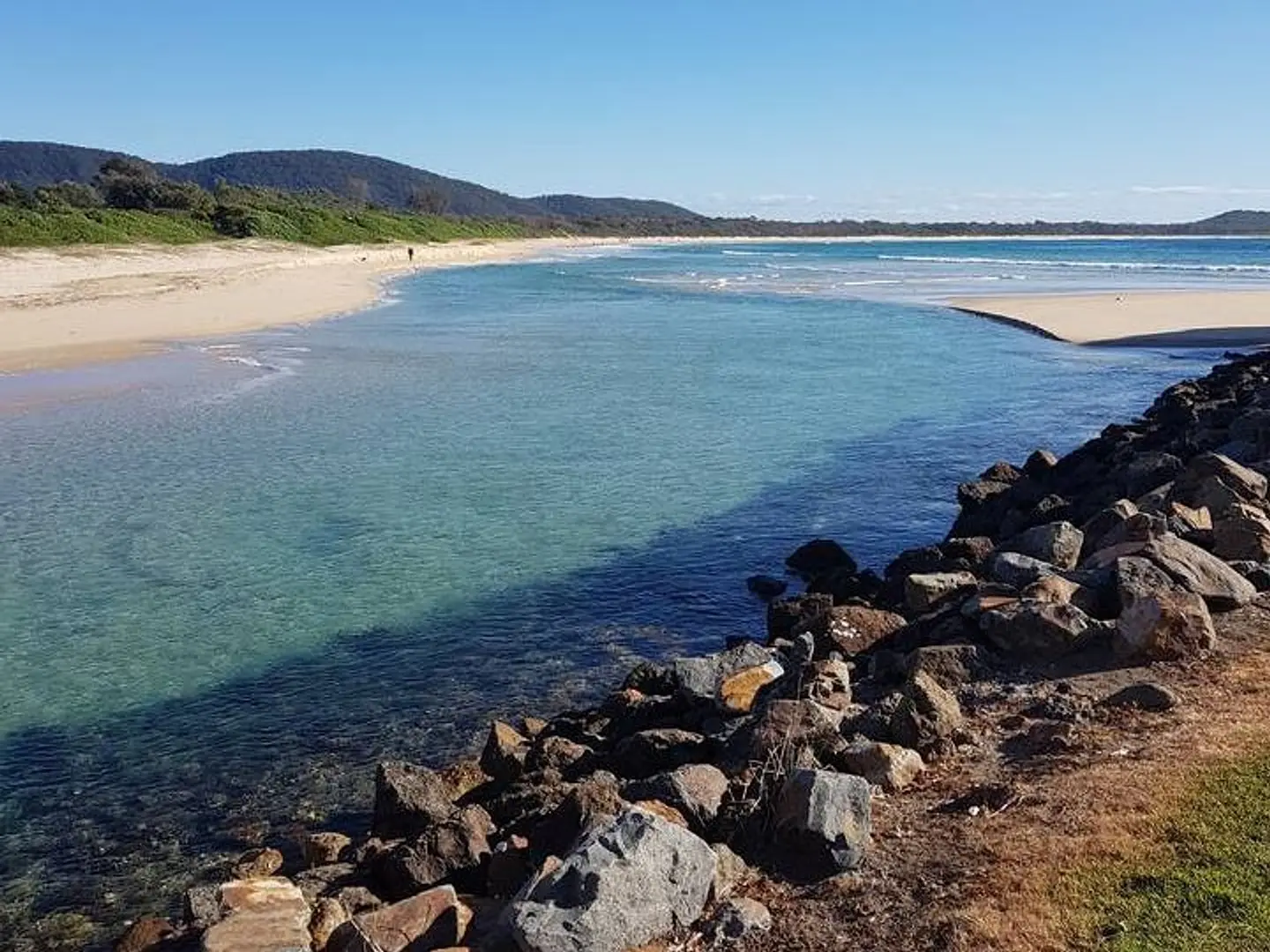 Explore · 7 min Killick Creek: the estuary at Crescent Head A guide to Killick Creek, Crescent Head: the safest swimming in town, the tides that matter, fishing the estuary, kayaking, and the dog beach.